x
Return Problem Cause Solution

Cracking in masonry (at beam or column junctions)

Discover the potential causes and view the solutions
• Dissimilar structural materials where standard bonding materials fail to provide the required adhesion
• Shrinkage and cracking of the building mortar in the top course of bricks (wedging).

Widen the crack along its entire length. Remove the plaster to a width of 10-20cm. Create a joint between the masonry and the beam or column by removing the friable mortar. Seal it with polyurethane foam D-2.

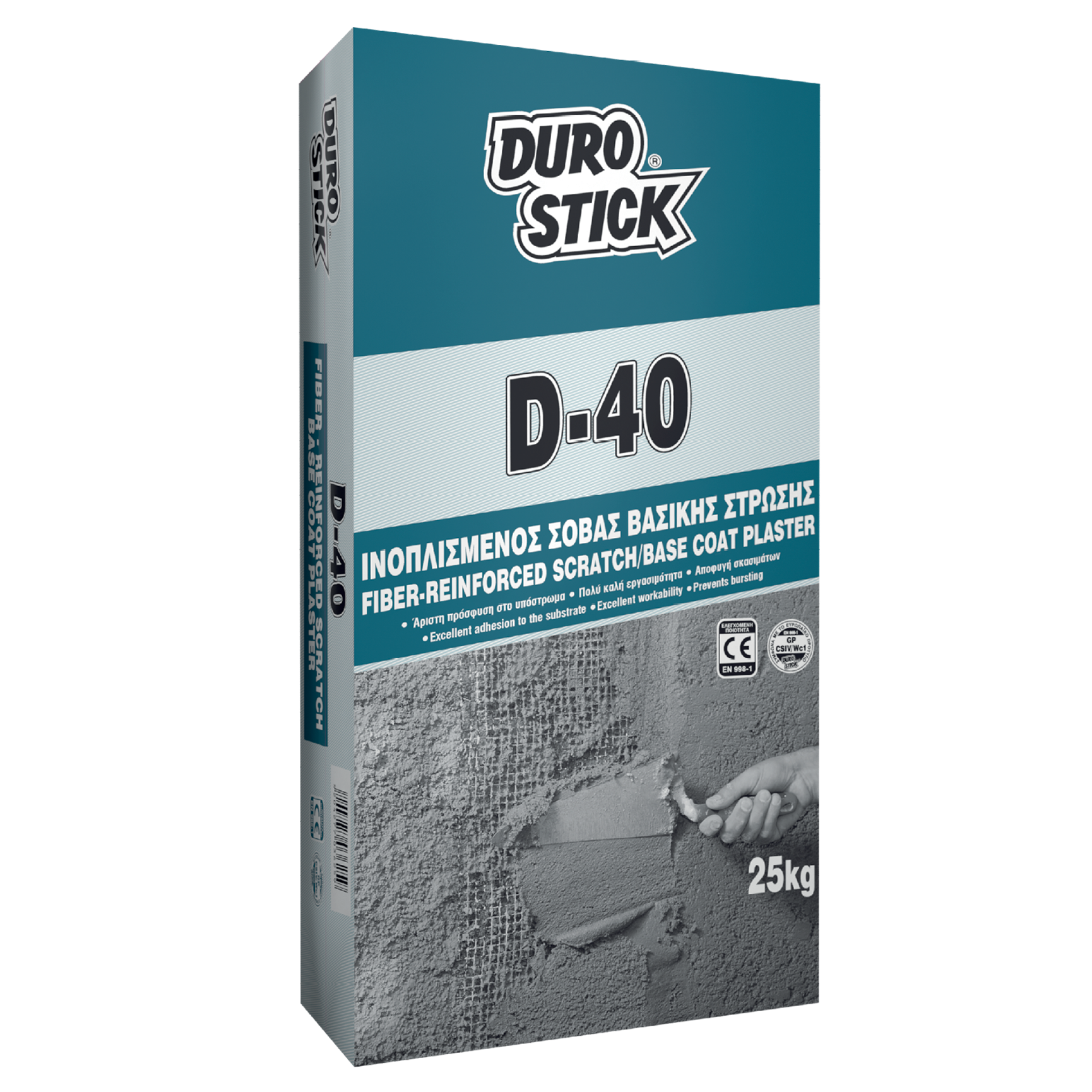
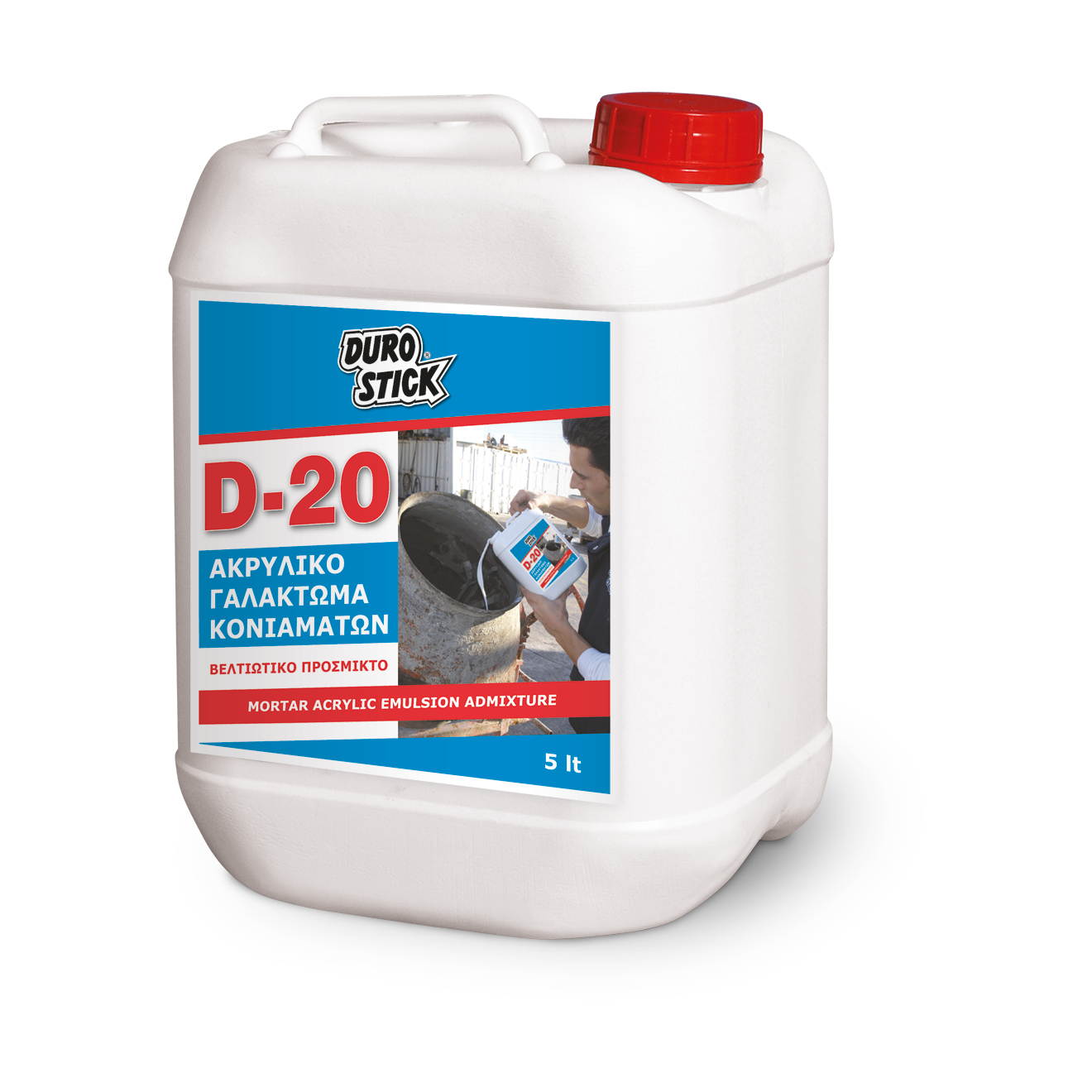
Next, clean, remove the dust, and rinse with plenty of water. Dampen the surface to be repaired with a solution of water and D-20 acrylic emulsion, at a 1:3 ratio with water. Before the solution dries, apply the fiber-reinforced base coat plaster D-40 as a “dash coat.”

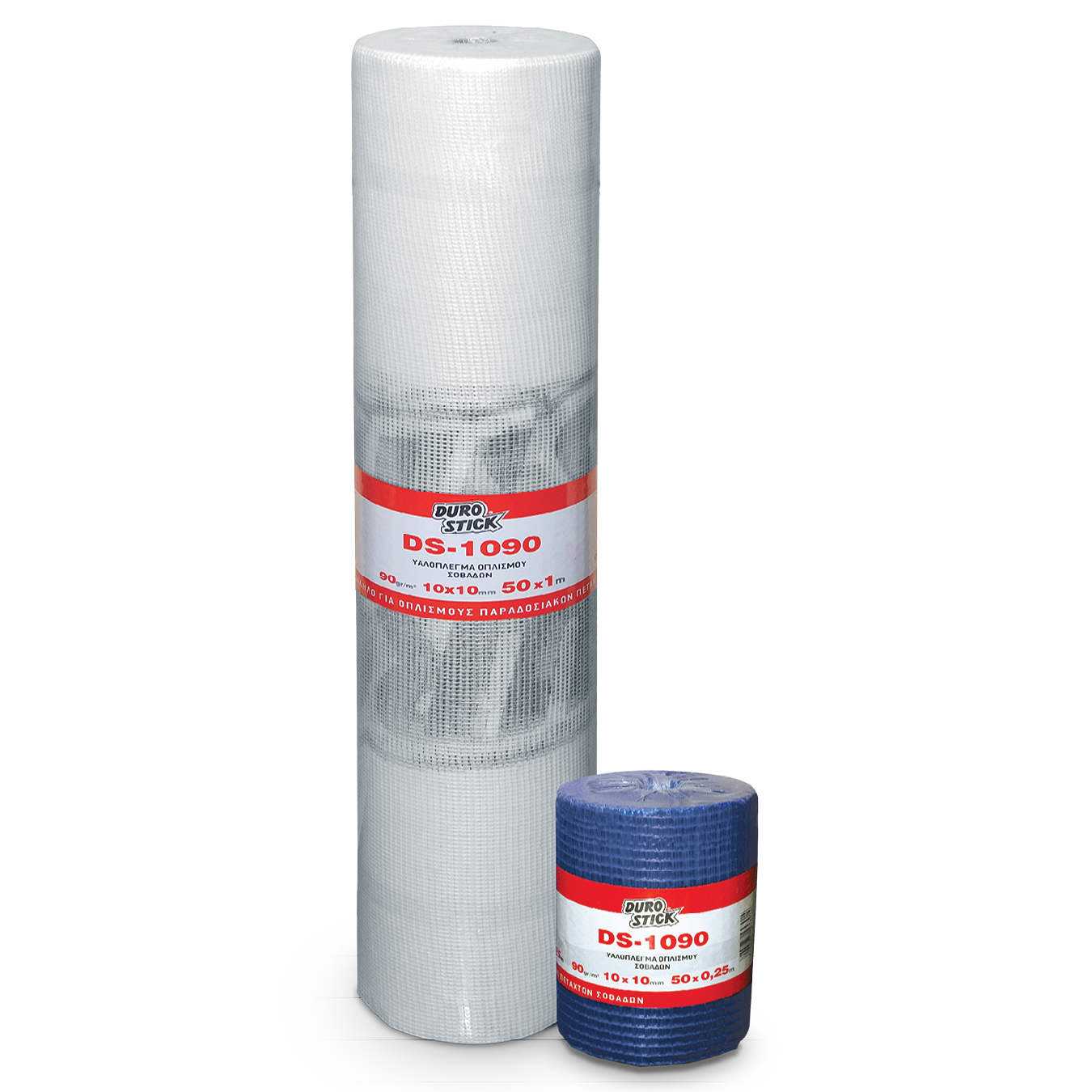
After 24 hours, apply the fiber-reinforced base coat plaster D-40 [reinforced with D-20 acrylic emulsion] again as a filling material, at a thickness that does not exceed the thickness of the existing base coat plaster, embedding the DUROSTICK DS-1090 mesh.

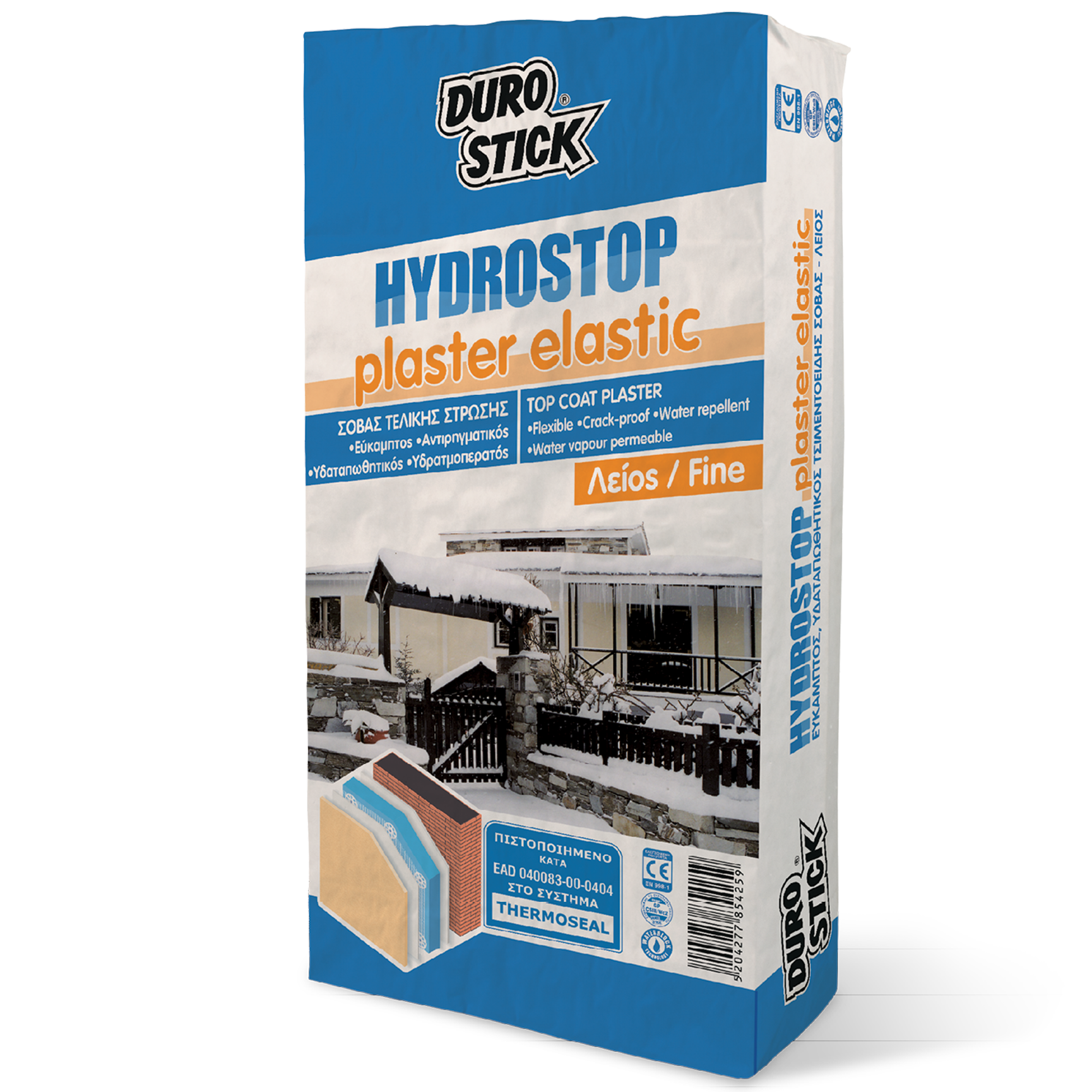
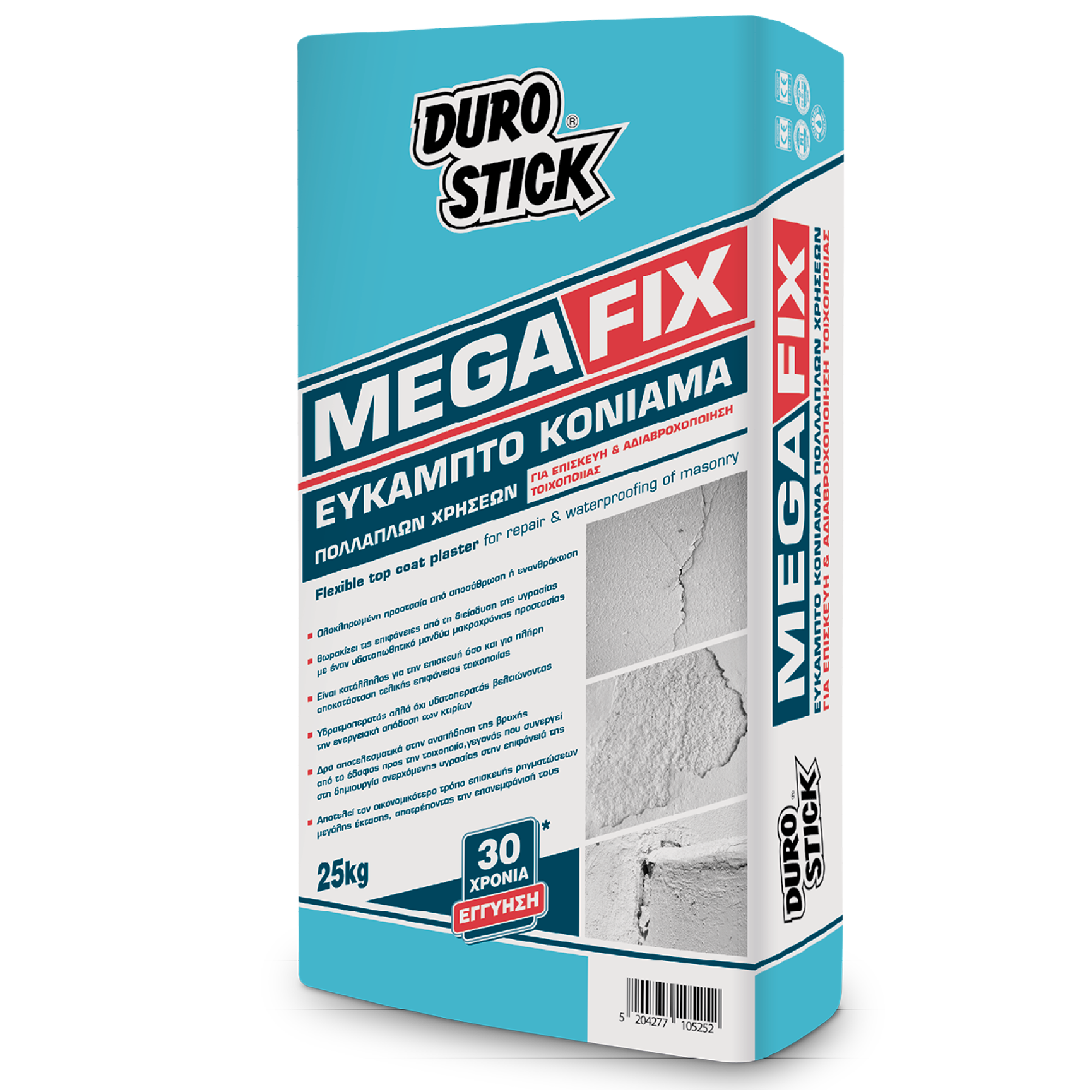
Finally, after 24 hours, apply the flexible water-repellent plaster HYDROSTOP PLASTER ELASTIC or DUROSTICK’s flexible multi-purpose mortar MEGAFIX.
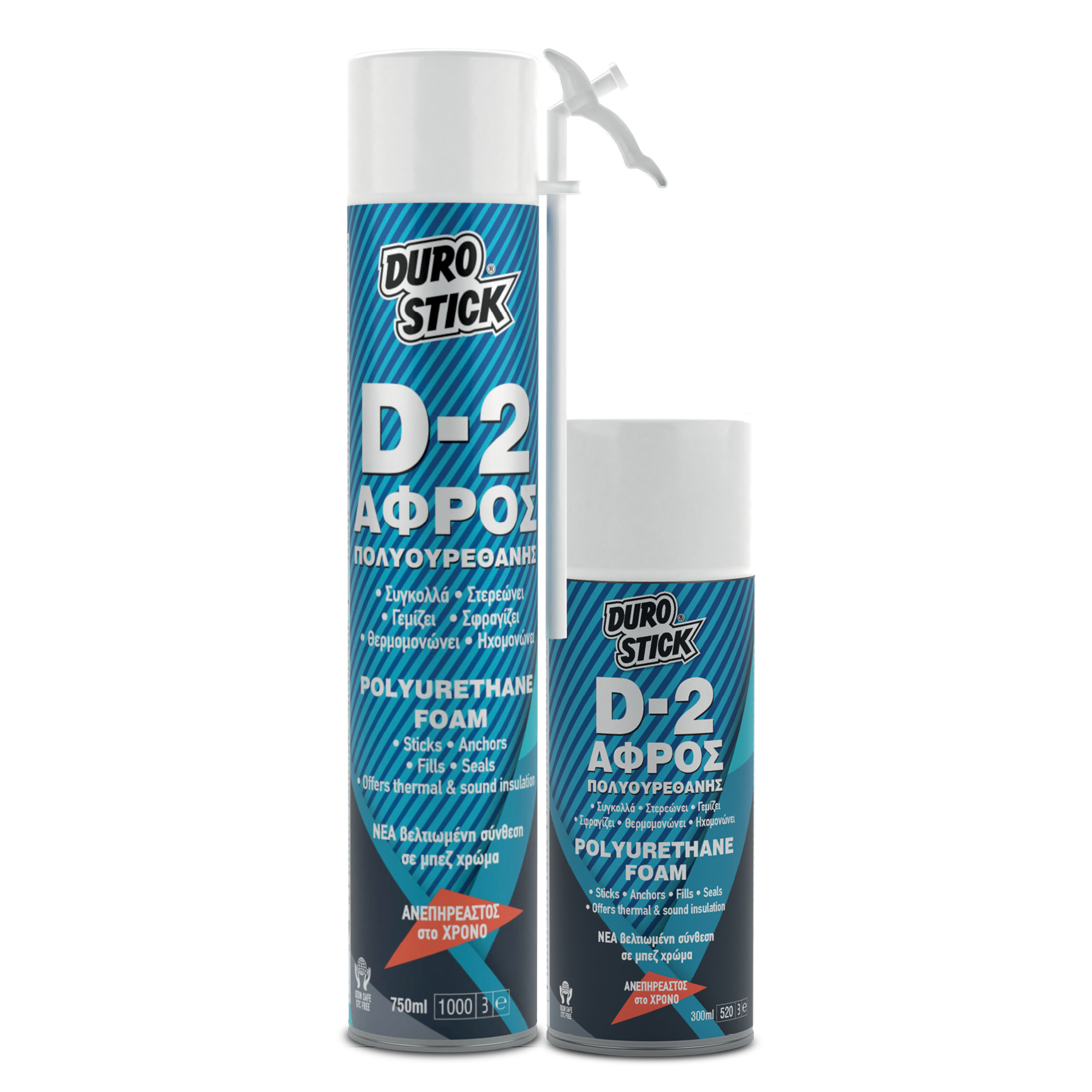
D-2 Polyurethane foam οne-component View more
D-20-new
D-20 Acrylic emulsion additive for mortars View more
D-40 Fiber-reinforced scratch/base coat plaster View more
DS-1090 Fiberglass mesh for plaster reinforcement, with 10x10mm mesh opening View more
Hydrostop Plaster Elastic – Fine Flexible, waterproofing cementitious plaster - FINE View more
Megafix Flexible, multipurpose mortar for repair and waterproofing of wall surfaces View more
×

    TECHNICAL SUPPORT

    The specialized Technical Support department, with experienced engineers, is always available to solve your questions or technical issues.

    This site is registered on wpml.org as a development site. Switch to a production site key to remove this banner.