
x
Repairs & Renovations

Repairs

Section with a collection of rich photographic material on problems in buildings in need of repair, structured into subsections referring to the most important causes of the problems (e.g. moisture), or to types of surfaces and areas that require special attention.
episkeues
home
Because a picture
is worth a thousand words!

In this section, we provide visitors with in-depth information and guide them in the right direction for preventing or remedying potential problems.
An extremely detailed guide with Problems by category, Possible Causes, and Suggested Solutions using DUROSTICK products.

Select the problem and find the solution that suits your needs!

ygrasia
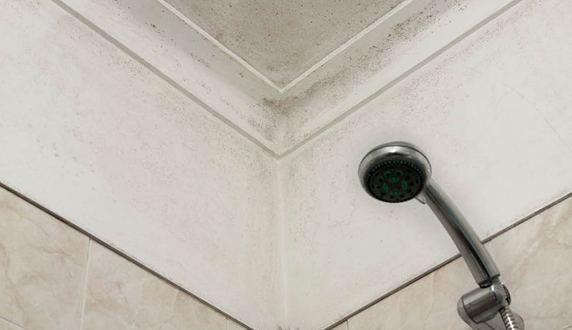
Common problems with MOISTURE

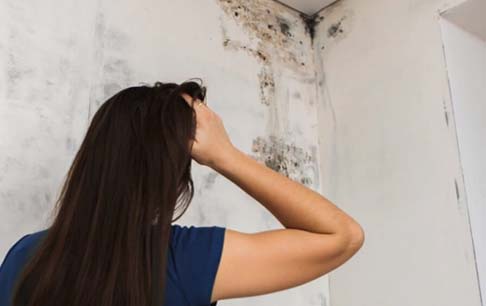
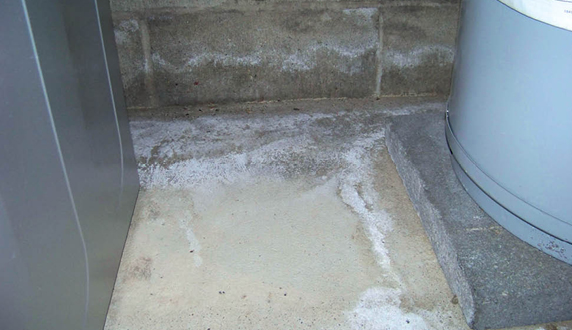
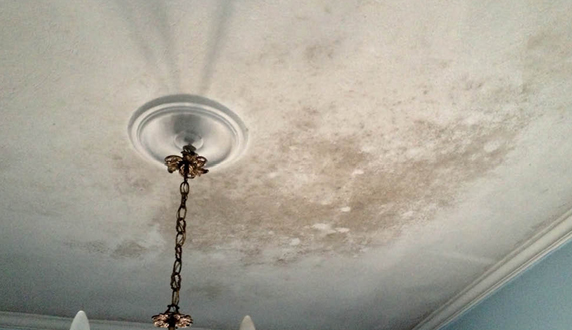
The accumulation or leakage of moisture on the surface or within the mass of a structural element of a building (residential or other built space) is a very common phenomenon in most buildings and one of the main causes of deterioration and damage to them.

The appearance of moisture may be due to:

  • The presence of cracks or networks of capillary cracks.
  • Failure of water supply or drainage pipes.
  • The location of the structural element, e.g., basement or roof (tiled or flat).
  • Damage to existing waterproofing or sealing of structural elements (treatment).
  • In the lack of adequate provision for waterproofing and sealing the structural element and its ‘related’ structural elements (prevention).
  • Condensation on the surfaces of structural elements (e.g., due to inadequate thermal insulation of the building or high water vapor content in specific areas).

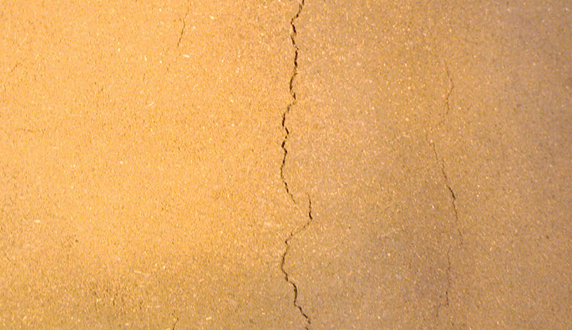
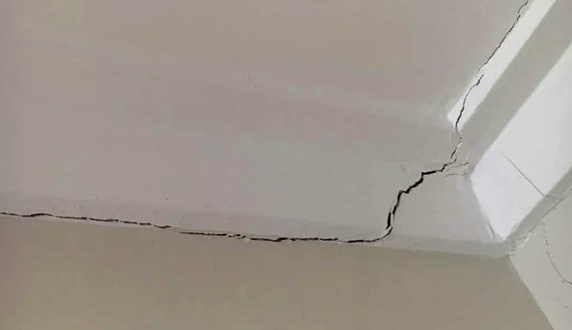
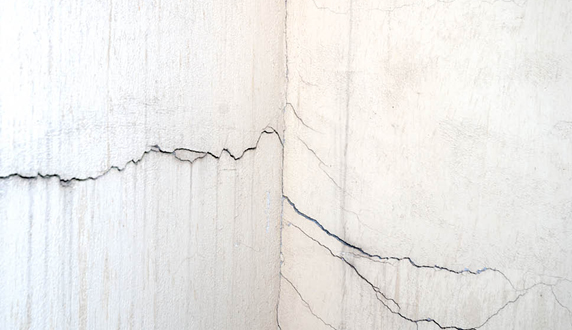
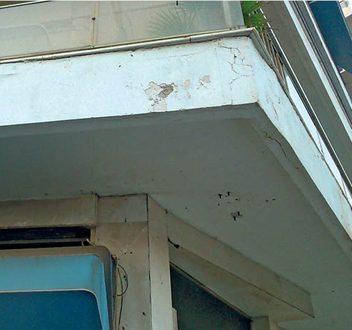
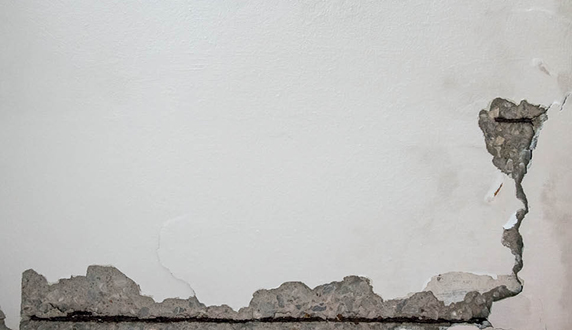
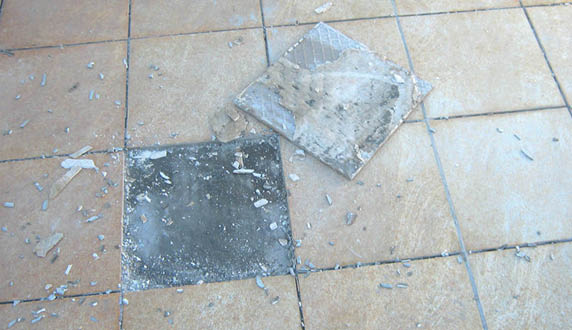
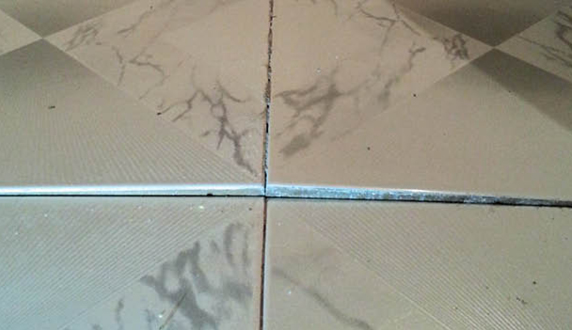
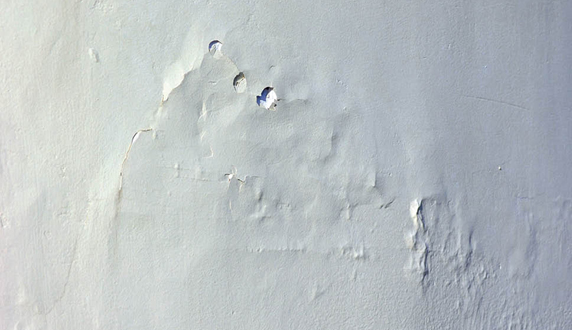
In this section, we present a series of photographs of visible problems caused by moisture damage, to help those of you who are facing a similar problem in your space to make the right report to a specialist technician or store and find the appropriate solution to address and repair it.

Common problems with CRACKS

The accumulation or leakage of moisture on the surface or within the mass of a structural element of a building (residential or other built space) is a very common phenomenon in most buildings and one of the main causes of deterioration and damage to them.

The appearance of moisture may be due to:

  • The presence of cracks or networks of capillary cracks.
  • Failure of water supply or drainage pipes.
  • The location of the structural element, e.g., basement or roof (tiled or flat).
  • Damage to existing waterproofing or sealing of structural elements (treatment).
  • In the lack of adequate provision for waterproofing and sealing the structural element and its ‘related’ structural elements (prevention).
  • Condensation on the surfaces of structural elements (e.g., due to inadequate thermal insulation of the building or high water vapor content in specific areas).

In this section, we present a series of photographs of visible problems caused by moisture damage, to help those of you who are facing a similar problem in your space to make the right report to a specialist technician or store and find the appropriate solution to address and repair it.

Common problems with SOVADON

The accumulation or leakage of moisture on the surface or within the mass of a structural element of a building (residential or other built space) is a very common phenomenon in most buildings and one of the main causes of deterioration and damage to them.

The appearance of moisture may be due to:

  • The presence of cracks or networks of capillary cracks.
  • Failure of water supply or drainage pipes.
  • The location of the structural element, e.g., basement or roof (tiled roof or terrace).
  • Damage to existing waterproofing or waterproofing of structural elements (treatment).
  • In the lack of adequate provision for waterproofing and sealing the structural element and its ‘related’ structural elements (prevention).
  • Condensation on the surfaces of structural elements (e.g., due to inadequate thermal insulation of the building or high water vapor content in specific areas).

In this section, we present a series of photographs of visible problems caused by moisture damage, to help those of you who are facing a similar problem in your space to make the right report to a specialist technician or store and find the appropriate solution to address and repair it.

Common problems with CONCRETE SURFACES

The accumulation or leakage of moisture on the surface or within the mass of a structural element of a building (residential or other built space) is a very common phenomenon in most buildings and one of the main causes of deterioration and damage to them.

The appearance of moisture may be due to:

  • The presence of cracks or networks of capillary cracks.
  • Failure of water supply or drainage pipes.
  • The location of the structural element, e.g., basement or roof (tiled or flat).
  • Damage to existing waterproofing or sealing of structural elements (treatment).
  • In the lack of adequate provision for waterproofing and sealing the structural element and its ‘related’ structural elements (prevention).
  • Condensation on the surfaces of structural elements (e.g., due to inadequate thermal insulation of the building or high water vapor content in specific areas).

In this section, we present a series of photographs of visible problems caused by moisture damage, to help those of you who are facing a similar problem in your space to make the right report to a specialist technician or store and find the appropriate solution to address and repair it.

Common investment problems

The accumulation or leakage of moisture on the surface or within the mass of a structural element of a building (residential or other built space) is a very common phenomenon in most buildings and one of the main causes of deterioration and damage to them.

The appearance of moisture may be due to:

  • The presence of cracks or networks of capillary cracks.
  • Failure of water supply or drainage pipes.
  • The location of the structural element, e.g., basement or roof (tiled or flat).
  • Damage to existing waterproofing or sealing of structural elements (treatment).
  • In the lack of adequate provision for waterproofing and sealing the structural element and its ‘related’ structural elements (prevention).
  • Condensation on the surfaces of structural elements (e.g., due to inadequate thermal insulation of the building or high water vapor content in specific areas).

In this section, we present a series of photographs of visible problems caused by moisture damage, to help those of you who are facing a similar problem in your space to make the right report to a specialist technician or store and find the appropriate solution to address and repair it.

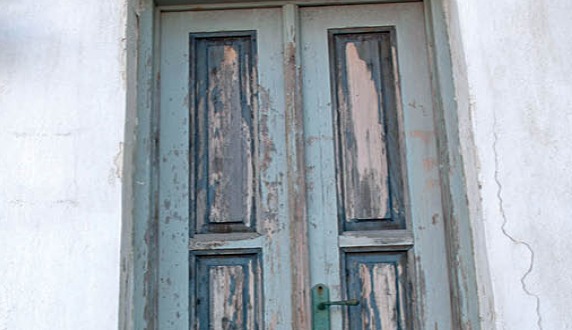
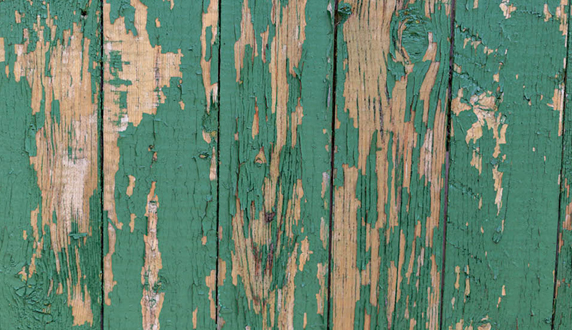
Common problems with WOODEN & METAL SURFACES

The accumulation or leakage of moisture on the surface or within the mass of a structural element of a building (residential or other built space) is a very common phenomenon in most buildings and one of the main causes of deterioration and damage to them.

The appearance of moisture may be due to:

  • The presence of cracks or networks of capillary cracks.
  • Failure of water supply or drainage pipes.
  • The location of the structural element, e.g., basement or roof (tiled or flat).
  • Damage to existing waterproofing or sealing of structural elements (treatment).
  • In the lack of adequate provision for waterproofing and sealing the structural element and its ‘related’ structural elements (prevention).
  • Condensation on the surfaces of structural elements (e.g., due to inadequate thermal insulation of the building or high water vapor content in specific areas).

In this section, we present a series of photographs of visible problems caused by moisture damage, to help those of you who are facing a similar problem in your space to make the right report to a specialist technician or store and find the appropriate solution to address and repair it.

Εμφανής επιφανειακή σκουριά σε μεταλλική επιφάνεια View more
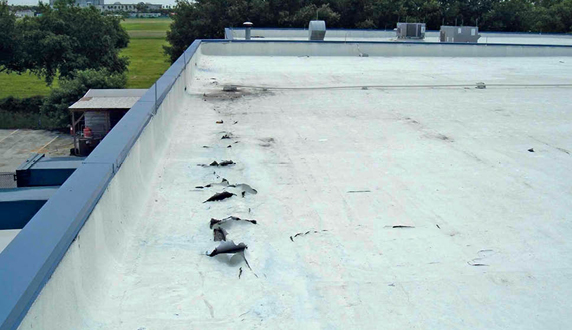
Common problems in VULNERABLE AREAS (BATHROOM, BASEMENT, ROOF)

The accumulation or leakage of moisture on the surface or within the mass of a structural element of a building (residential or other built space) is a very common phenomenon in most buildings and one of the main causes of deterioration and damage to them.

The appearance of moisture may be due to:

  • The presence of cracks or networks of capillary cracks.
  • Failure of water supply or drainage pipes.
  • The location of the structural element, e.g., basement or roof (tiled or flat).
  • Damage to existing waterproofing or sealing of structural elements (treatment).
  • In the lack of adequate provision for waterproofing and sealing the structural element and its ‘related’ structural elements (prevention).
  • Condensation on the surfaces of structural elements (e.g., due to inadequate thermal insulation of the building or high water vapor content in specific areas).

In this section, we present a series of photographs of visible problems caused by moisture damage, to help those of you who are facing a similar problem in your space to make the right report to a specialist technician or store and find the appropriate solution to address and repair it.

Common problems with BURNT SURFACES

The accumulation or leakage of moisture on the surface or within the mass of a structural element of a building (residential or other built space) is a very common phenomenon in most buildings and one of the main causes of deterioration and damage to them.

See also…
Section with surfaces and spaces of a residence or a professional space. Accompanied by three-dimensional representations of interior and exterior spaces and photographs that make the identification of problems easy and understandable.
Problems with exterior masonry
PROBLEM Significant moisture evident with black spots and decayed areas at ground level, on exterior wall of ground floor

POSSIBLE CAUSES

  • Rain splashback.
  • Moisture rising from the ground.

SOLUTION

  • Remove the loose areas and thoroughly clean the surface across the entire width and height of the damage.
  • Prepare the surface with AQUAFIX micromolecular stabilizer or SOLVENT PRIMER.
  • If there is a crack in the floor wall joint, seal it with the elastomeric polyurethane sealant DUROFLEX-PU, after priming with PRIMER-PU.
  • Apply the flexible, fiber-reinforced, brushable, waterproofing mortar D-1 FLEX flexible, fiber-reinforced, brushable waterproofing mortar or the brushable 2-component waterproofing mortar HYDROSTOP WATERTANK PROFESSIONAL, in two layers with a 2-3 hour interval between them, ideally at a height of 15-30 cm from the ground or more, depending on the extent of the damage. In any case, the waterproofing must extend at least 20-30 cm above the limits of the existing damage.
  • The next day, we prime the repaired areas and proceed with the partial or total repainting of the surface with high-quality acrylic paint.
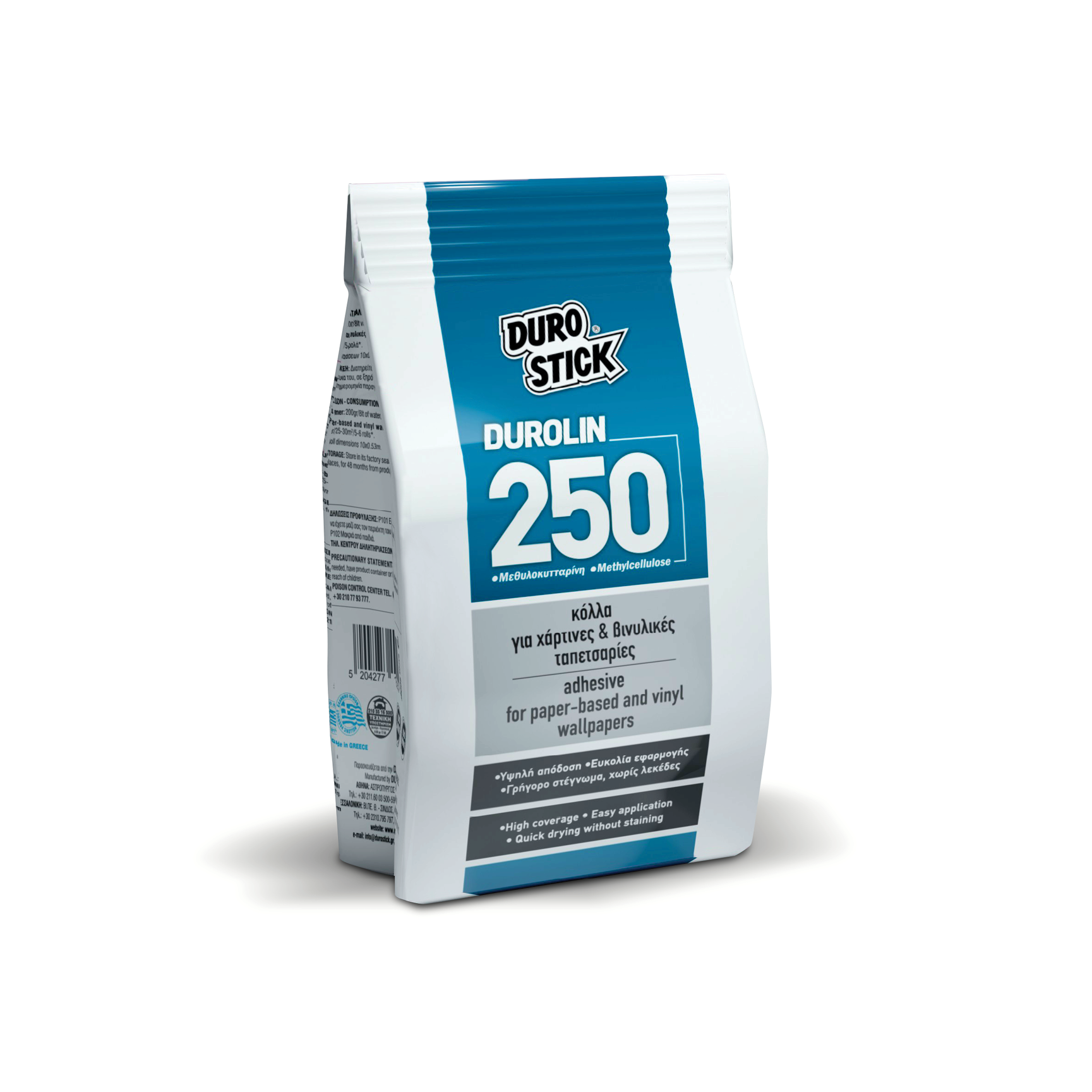
Products used:
PROBLEM Capillary cracks in exterior plaster walls (≤ 0.6 mm)

POSSIBLE CAUSES

  • Rain splashback.
  • Moisture rising from the ground.

SOLUTION

  • Remove the loose areas and thoroughly clean the surface across the entire width and height of the damage.
  • Prepare the surface with AQUAFIX micromolecular stabilizer or SOLVENT PRIMER.
  • If there is a crack in the floor wall joint, seal it with the elastomeric polyurethane sealant DUROFLEX-PU, after priming with PRIMER-PU.
  • Apply the flexible, fiber-reinforced, brushable, waterproofing mortar D-1 FLEX flexible, fiber-reinforced, brushable waterproofing mortar or the brushable 2-component waterproofing mortar HYDROSTOP WATERTANK PROFESSIONAL, in two layers with a 2-3 hour interval between them, ideally at a height of 15-30 cm from the ground or more, depending on the extent of the damage. In any case, the waterproofing must extend at least 20-30 cm above the limits of the existing damage.
  • The next day, we prime the repaired areas and proceed with the partial or total repainting of the surface with high-quality acrylic paint.
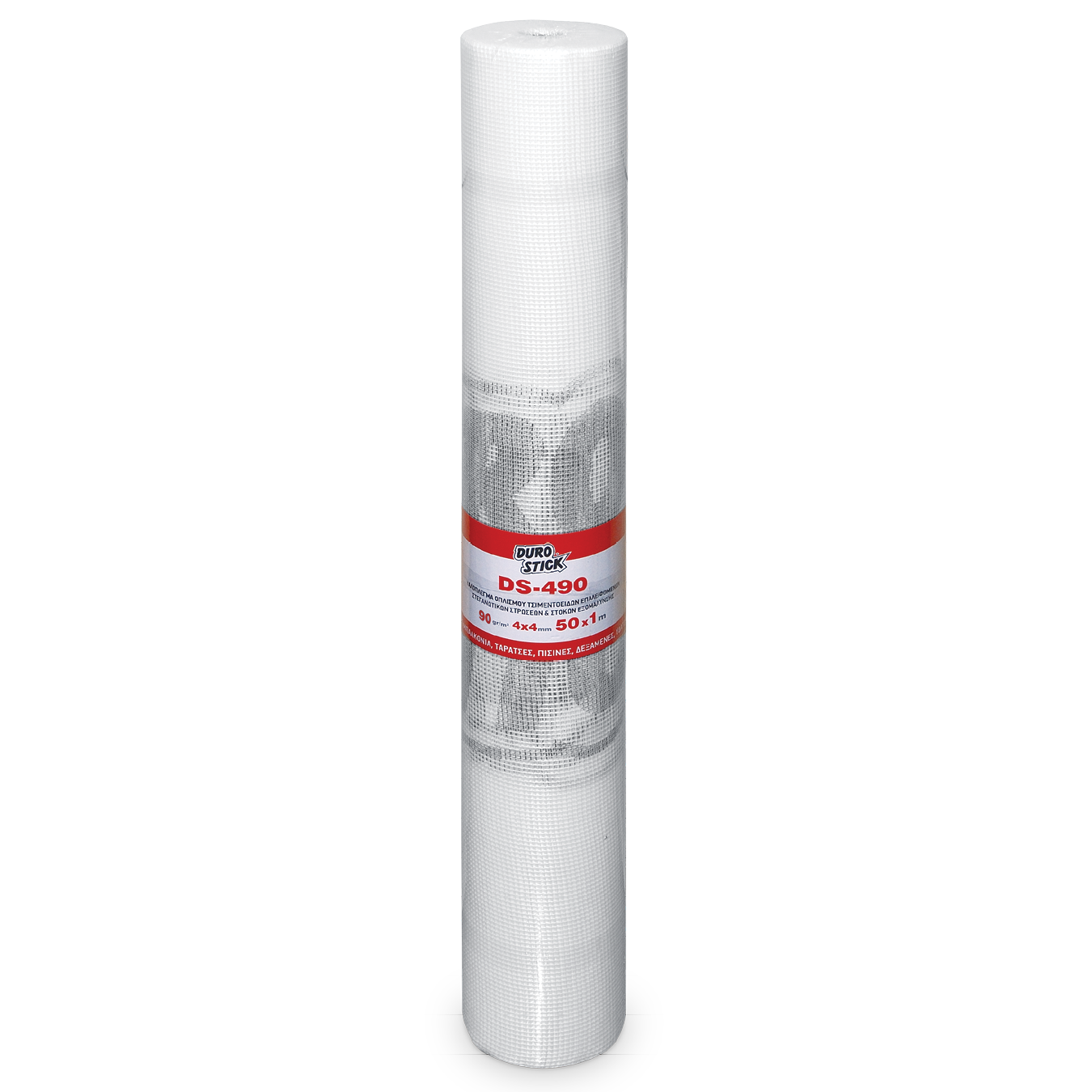
Products used:
PROBLEM Capillary and other larger cracks in exterior plaster walls

POSSIBLE CAUSES

  • Rain splashback.
  • Moisture rising from the ground.

SOLUTION

  • Remove the loose areas and thoroughly clean the surface across the entire width and height of the damage.
  • Prepare the surface with AQUAFIX micromolecular stabilizer or SOLVENT PRIMER.
  • If there is a crack in the floor wall joint, seal it with the elastomeric polyurethane sealant DUROFLEX-PU, after priming with PRIMER-PU.
  • Apply the flexible, fiber-reinforced, brushable, waterproofing mortar D-1 FLEX flexible, fiber-reinforced, brushable waterproofing mortar or the brushable 2-component waterproofing mortar HYDROSTOP WATERTANK PROFESSIONAL, in two layers with a 2-3 hour interval between them, ideally at a height of 15-30cm from the ground or more, depending on the extent of the damage. In any case, the waterproofing must extend at least 20-30 cm above the limits of the existing damage.
  • The next day, prime the repaired areas and proceed with partial or total repainting of the surface with high-quality acrylic paint.

Products used:
×

    TECHNICAL SUPPORT

    The specialized Technical Support department, with experienced engineers, is always available to solve your questions or technical issues.

    This site is registered on wpml.org as a development site. Switch to a production site key to remove this banner.