
1) Surface problems in the final coat plaster
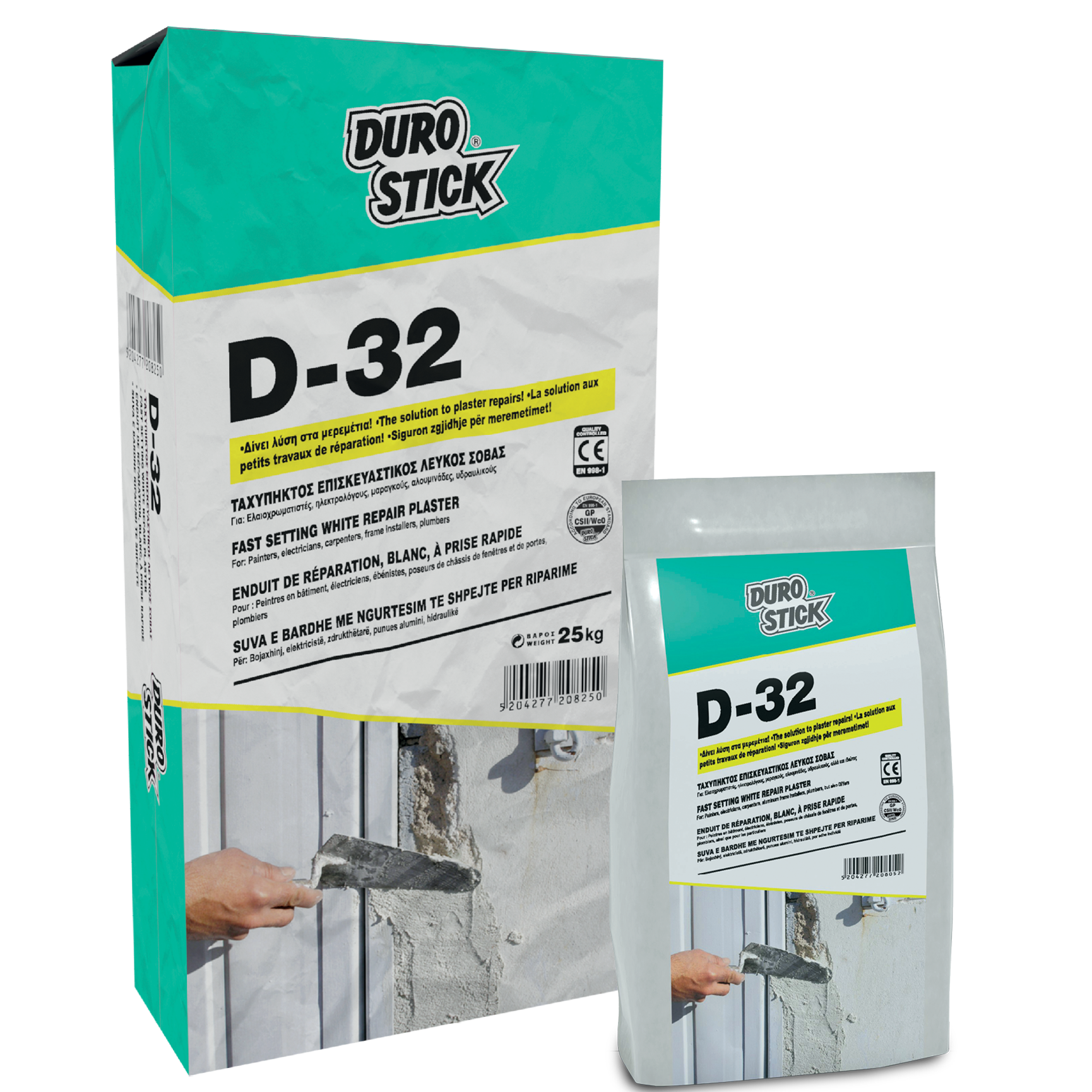
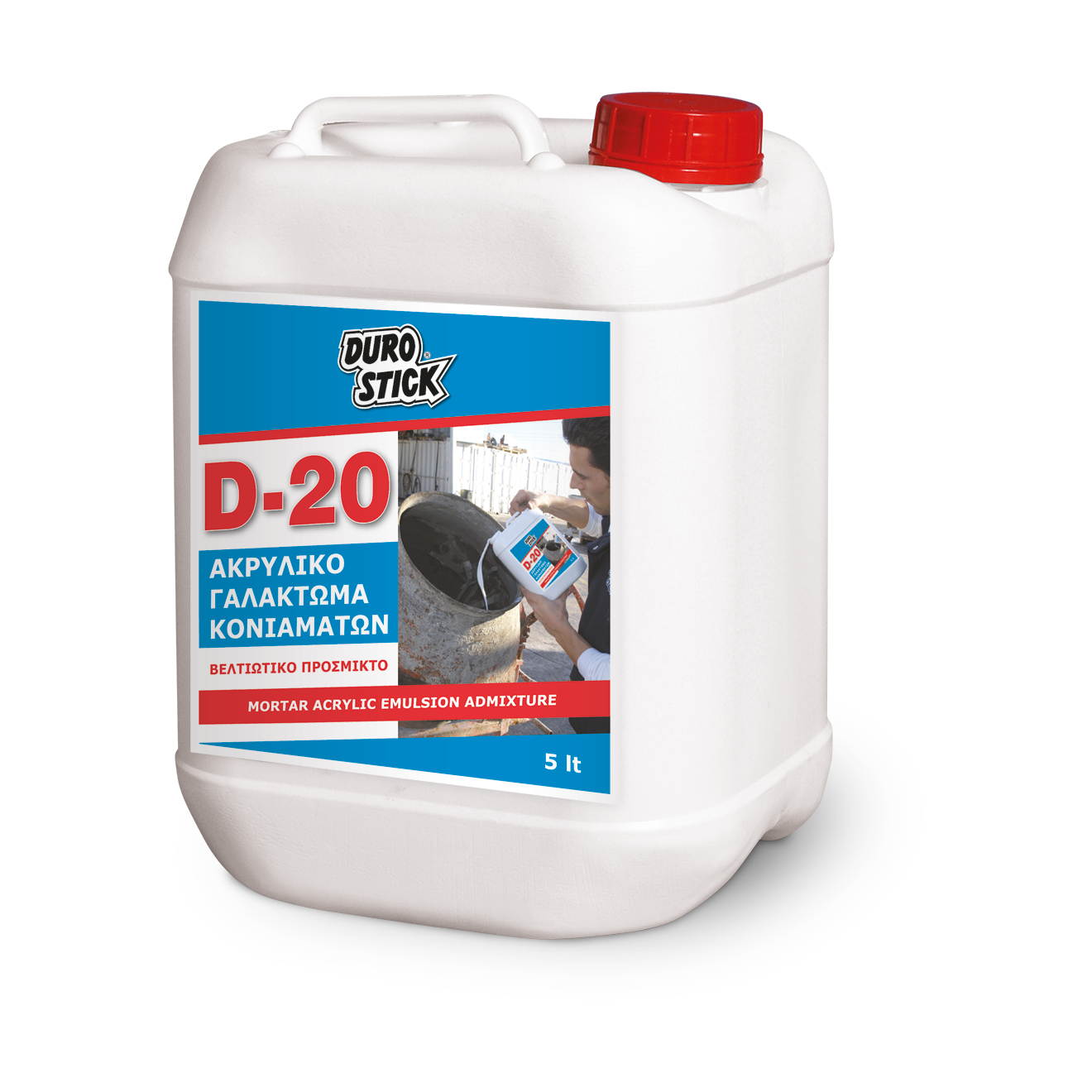
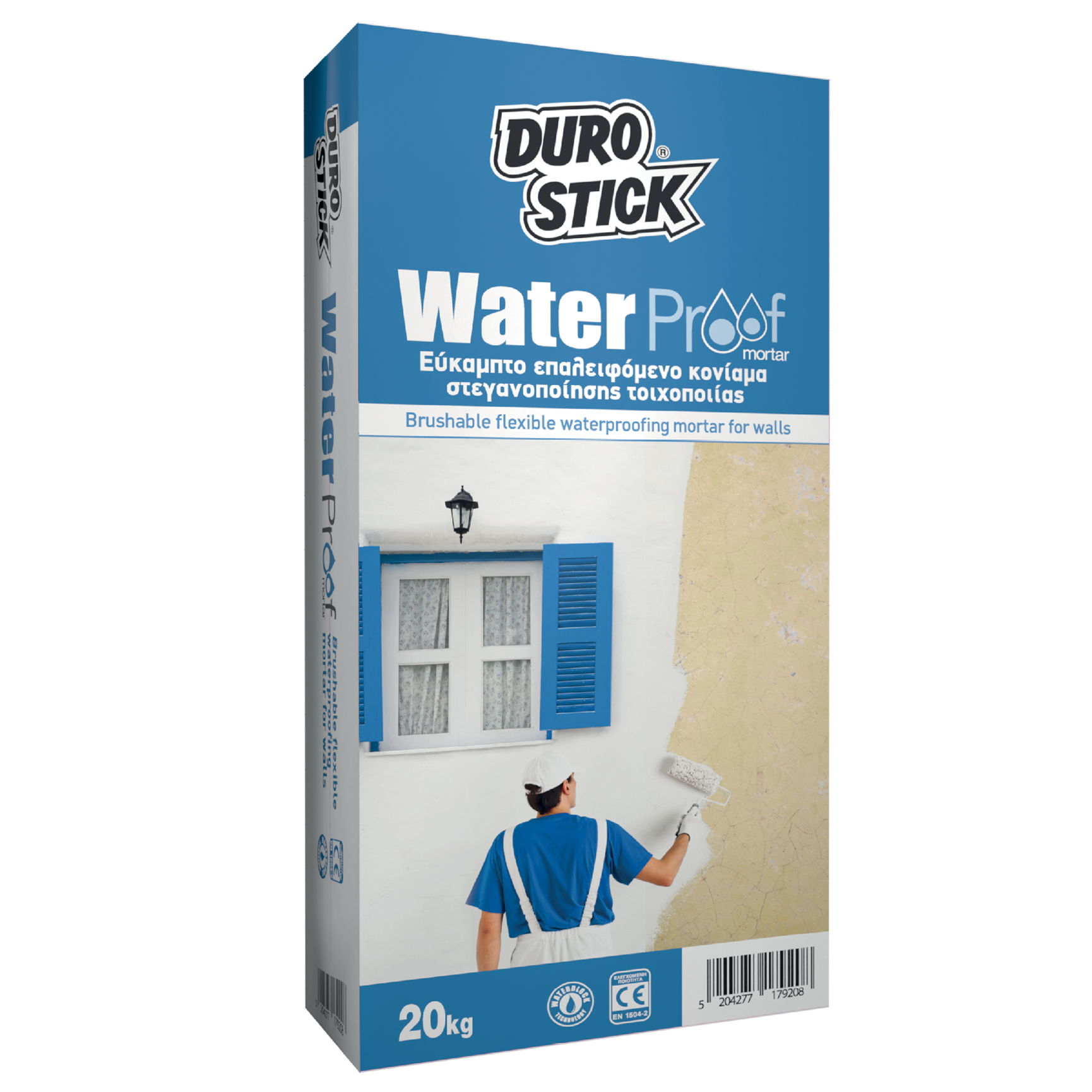
Determine the extent to which the masonry sounds hollow (detached). If the damage is superficial and only the final coat plaster has been affected, proceed with localized repair using the fast-setting repair plaster D-32, reinforced with D-20 acrylic emulsion. Waterproof the entire masonry with the flexible mortar WATERPROOF MORTAR to protect it from future moisture penetration into the plaster. Follow with painting the surface.
2) Problems in the base and final coat plaster
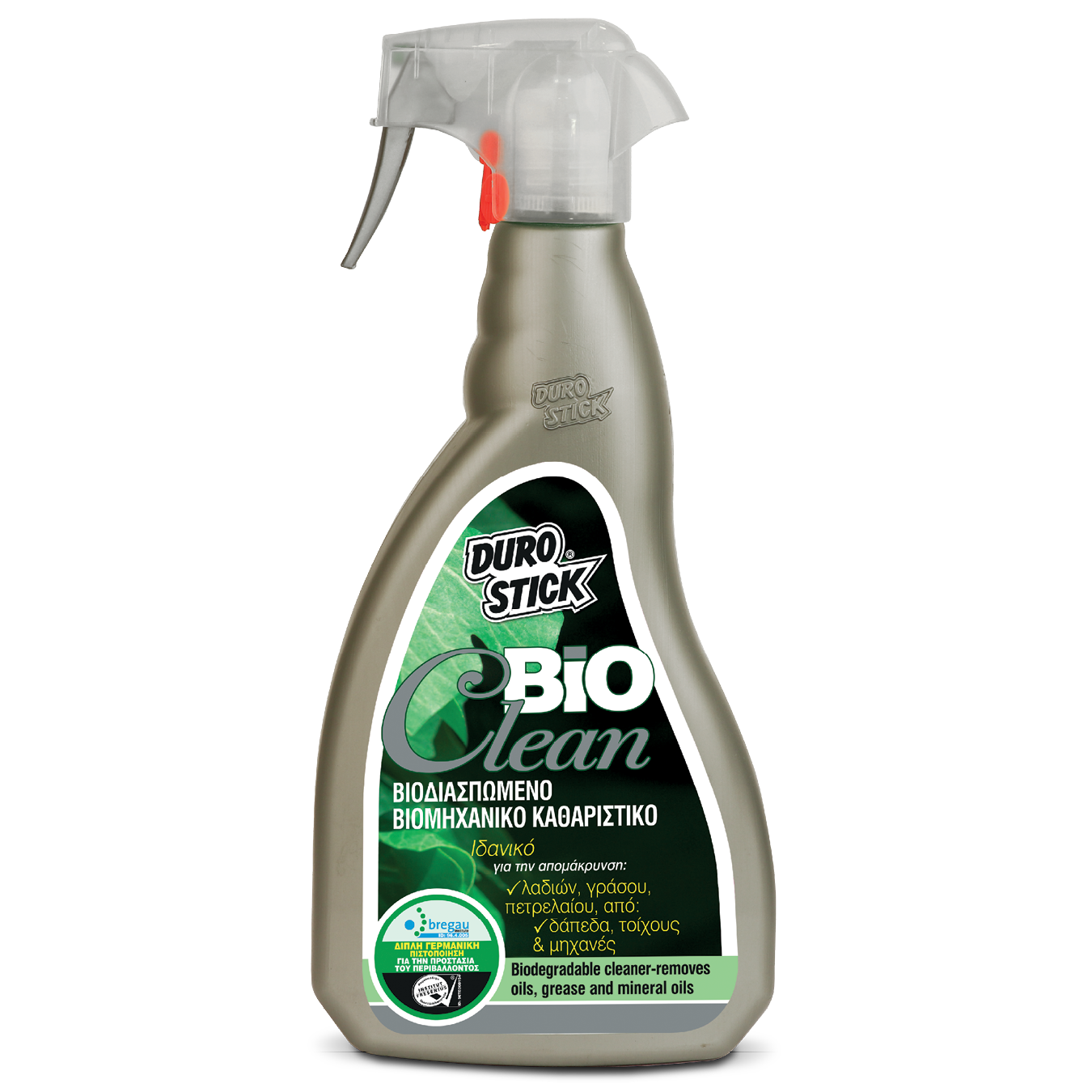
In case the problem has reached a depth where the base coat plaster has detached, follow this procedure: Completely remove the detached pieces until a stable substrate is reached. If the substrate is concrete, spray with the biodegradable cleaner BIOCLEAN INDUSTRIAL to clean off formwork release oils (if present). Dampen the surface to be repaired with a solution of water and D-20 acrylic emulsion at a 2:1 ratio.
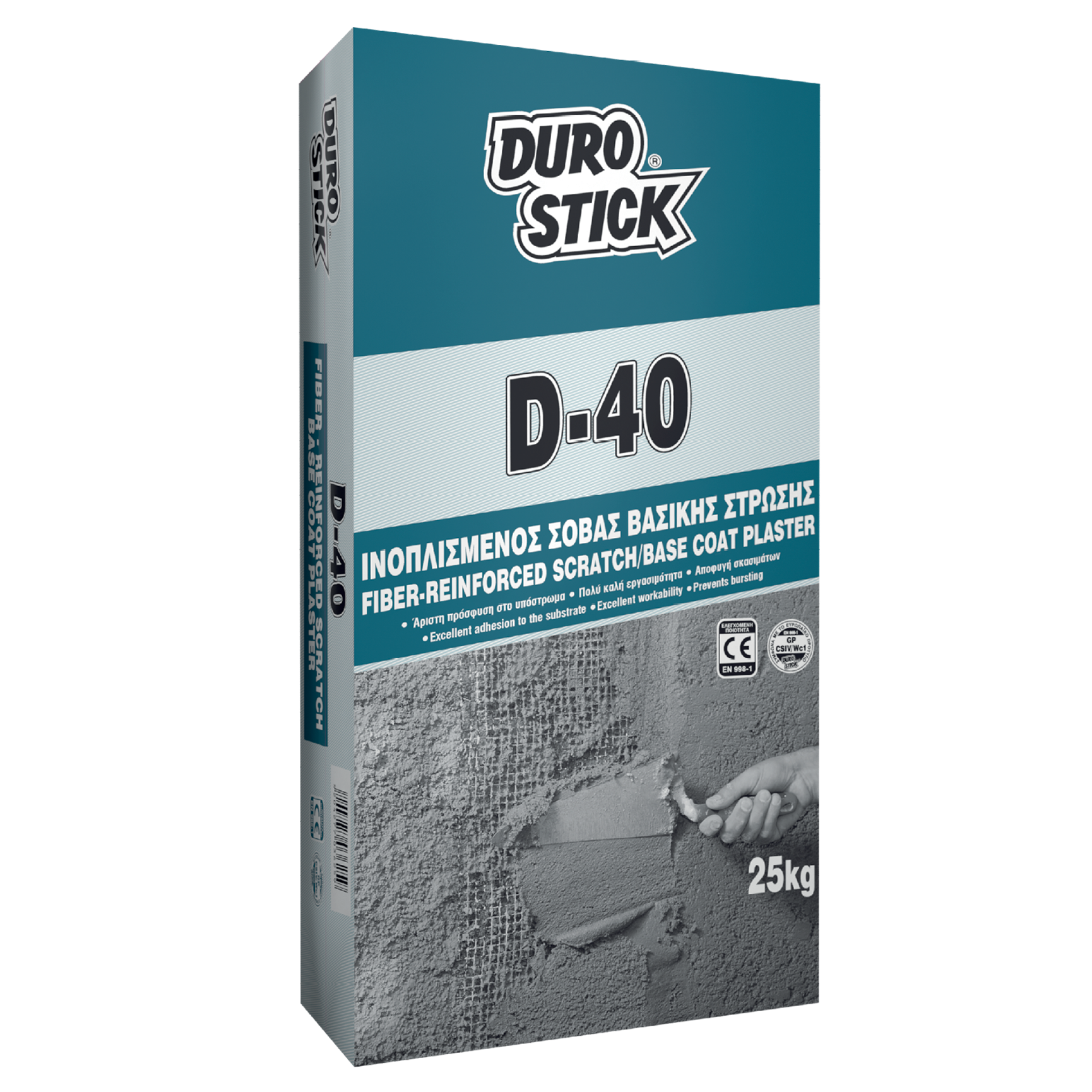
Before the solution dries, apply the fiber-reinforced base coat plaster D-40 as a “dash coat,” reinforcing it with D-20 acrylic emulsion. After 24 hours, apply the fiber-reinforced base coat plaster D-40 again as a filling material.
Finally, after 24 hours, apply the fast-setting repair plaster D-32, reinforced with D-20 acrylic emulsion, or proceed with full-surface plastering using the flexible water-repellent plaster HYDROSTOP PLASTER ELASTIC or MEGAFIX to protect and waterproof the entire masonry. Follow with painting the surface.
NOTE: In case the repair is carried out using the traditional method (cement mortar – marble plaster), it is essential to reinforce the mixture with the highly concentrated building improving resin DUROMAX. It triples the strength and adhesion of the mortar to the substrate.