



CERTIFIED THERMAL INSULATION, WATERPROOFING,
AESTHETIC & ENERGY UPGRADE SOLUTION
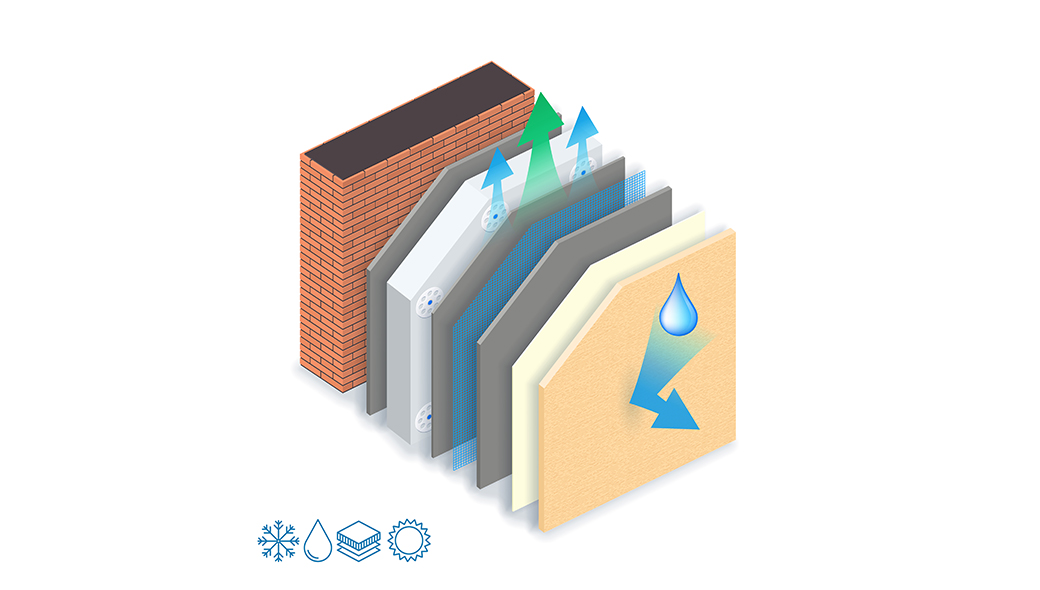
 Saving energy and money
  Protection of the structure
  Increase in commercial value
  Better indoor climate (thermal comfort)
  Healthy atmosphere inside the building







Step 1
Creation of a Waterproofing Zone at the Thermal Insulation Base
When the system is installed at ground level, a perimeter waterproofing zone must be created to protect the thermal insulation from heavy moisture loads that may come from:
– The subsoil
– The external environment (snow, rain, watering, cleaning with water)
The base area is particularly exposed to mechanical stress (“injuries”) and it must be ensured that these do not allow water or moisture to penetrate the system.
Construction of a trench
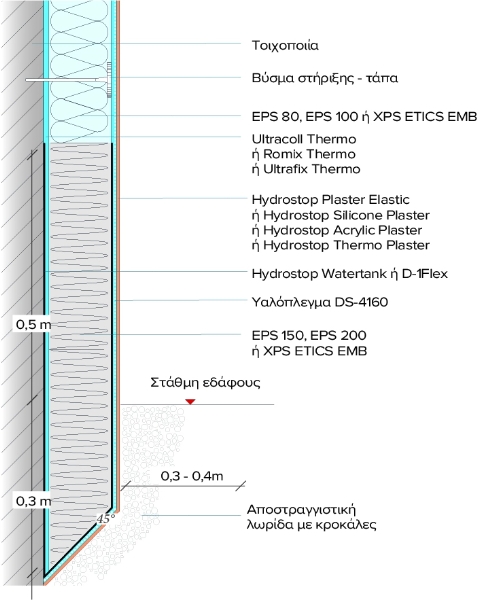
Where possible, a trench is formed along the surface to be thermally insulated, with indicative dimensions:
Depth: 30–50 cm
Width: 30–40 cm
Application of waterproofing material
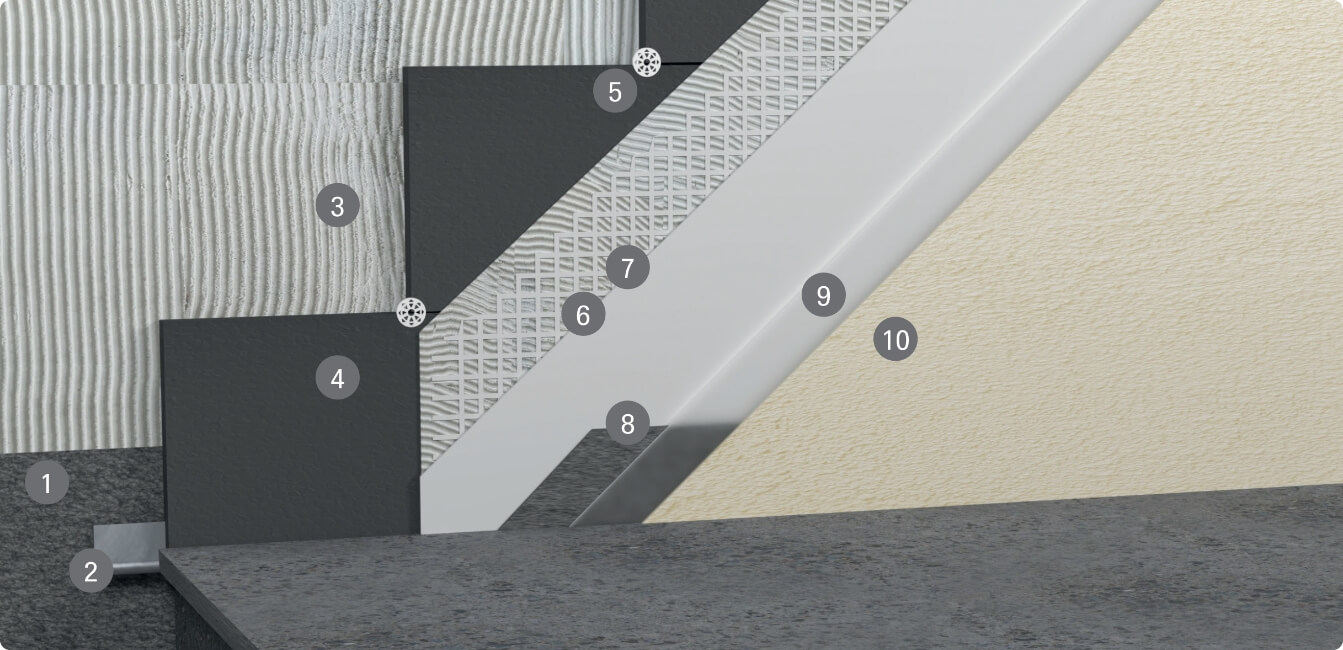
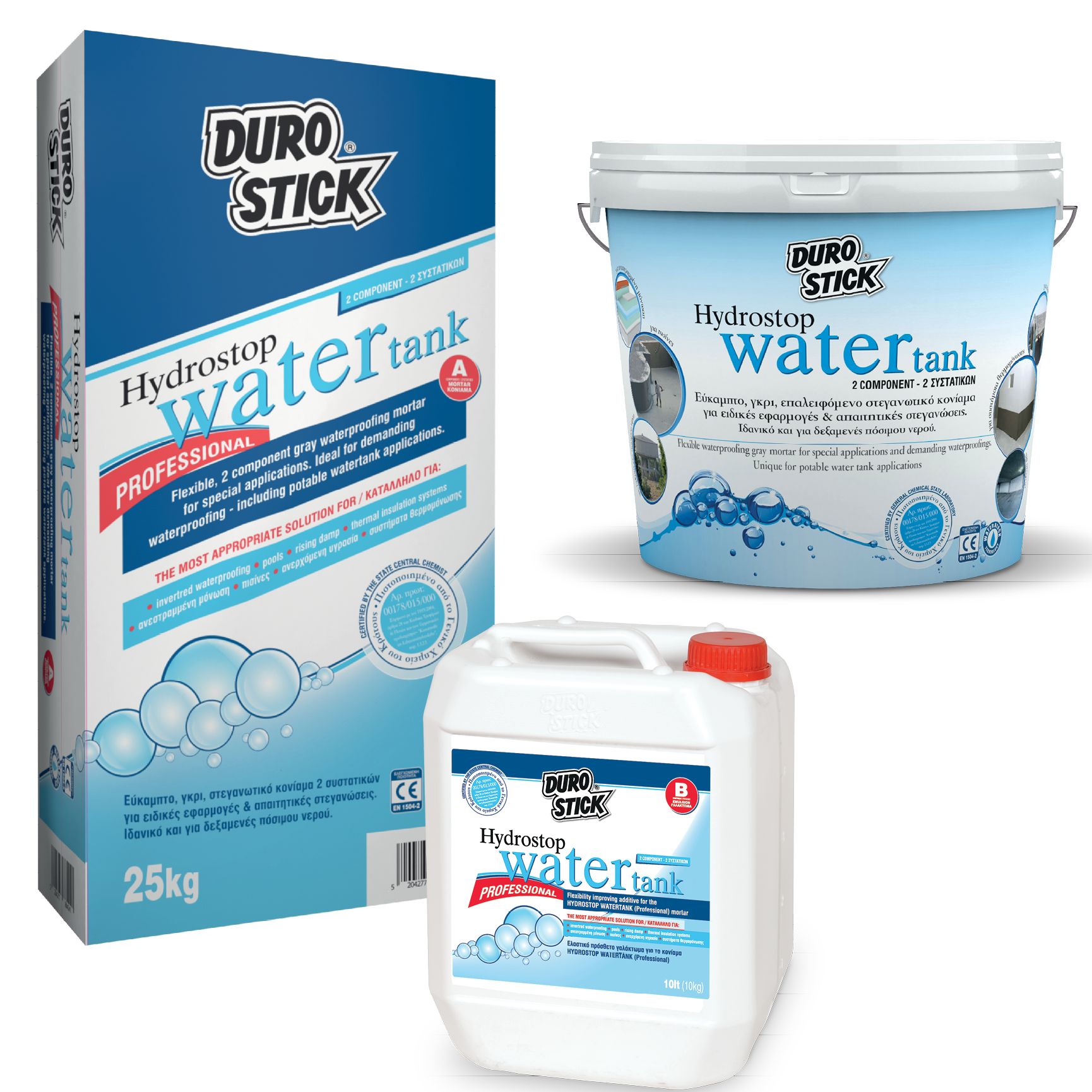
On a thoroughly cleaned masonry surface, exposed 50 cm above ground level, apply three successive cross layers of the powerful, two-component waterproofing mortar HYDROSTOP WATERTANK.
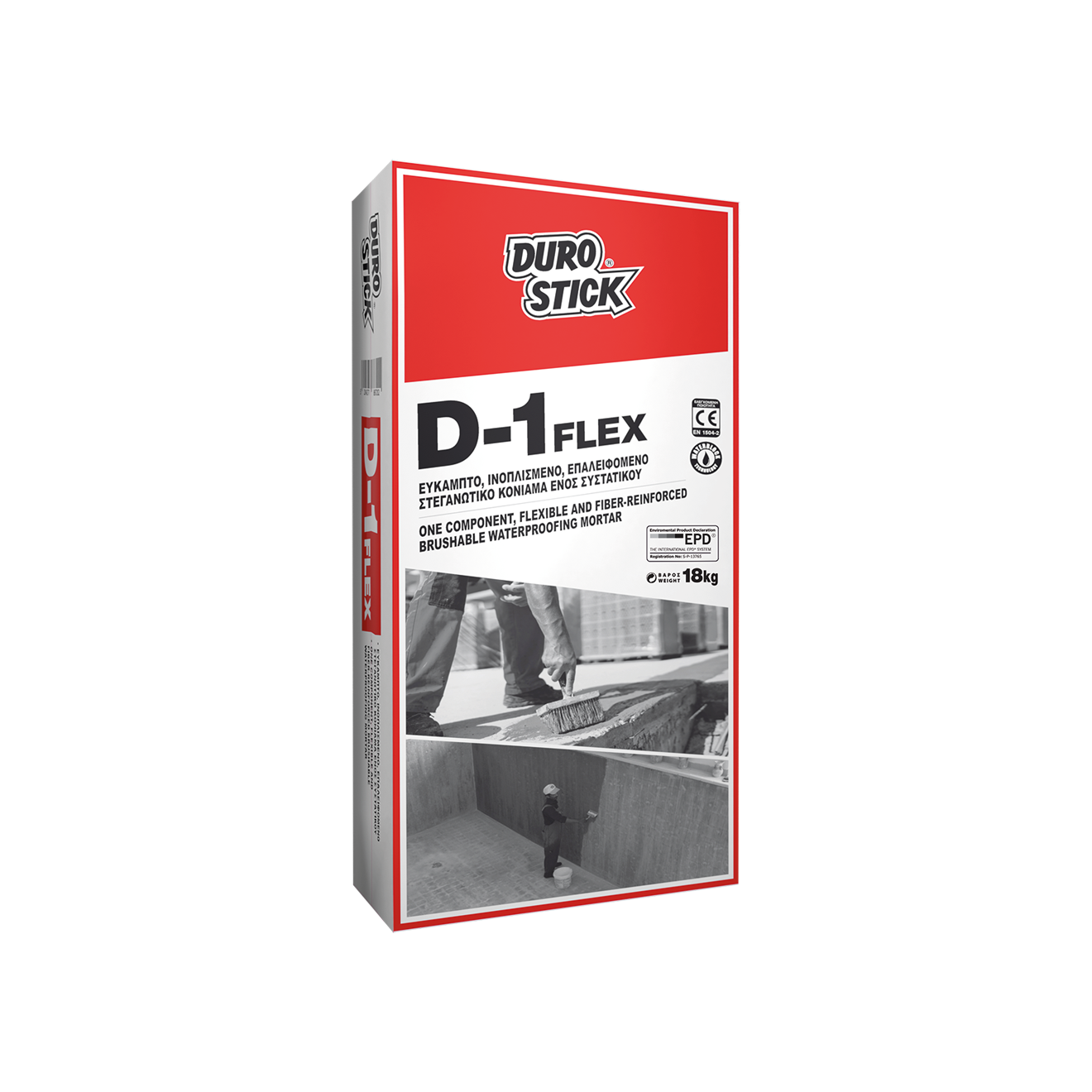
Alternatively, the flexible fiber-reinforced mortar D-1 FLEX can be used.
Thermal insulation boards
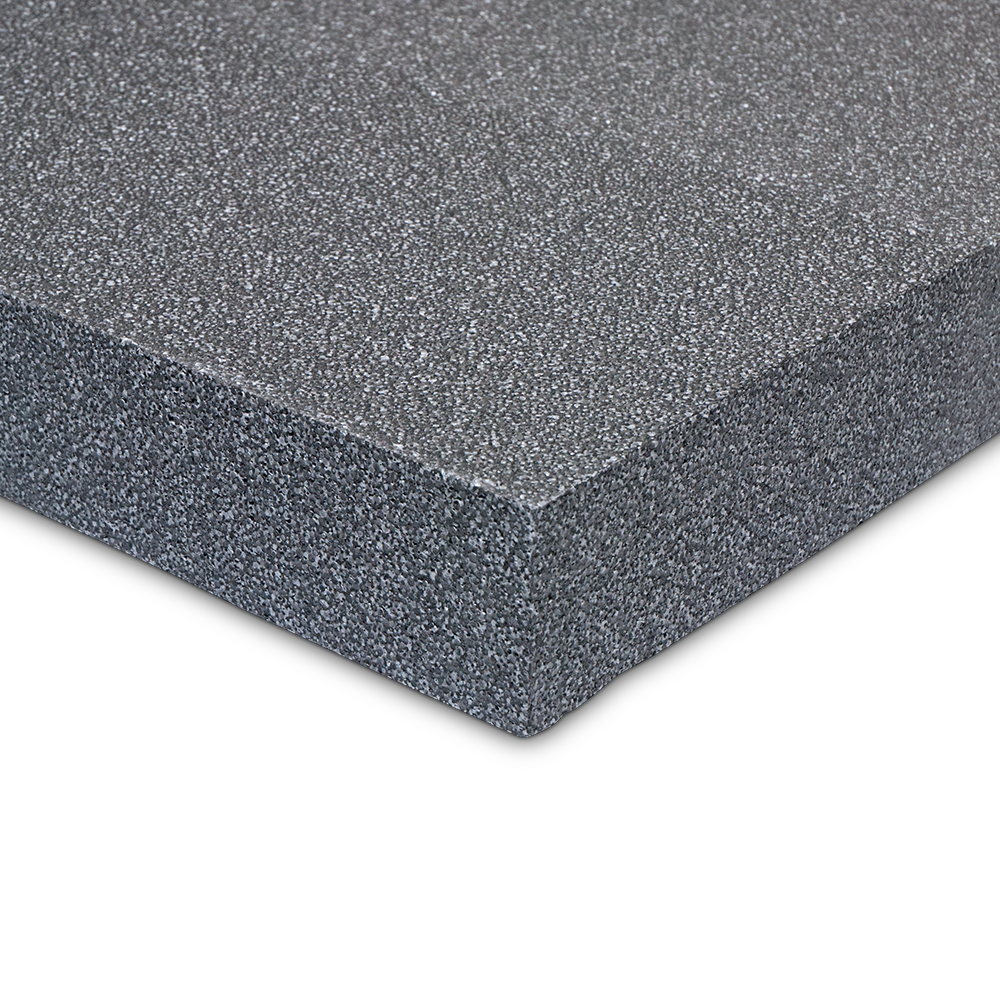
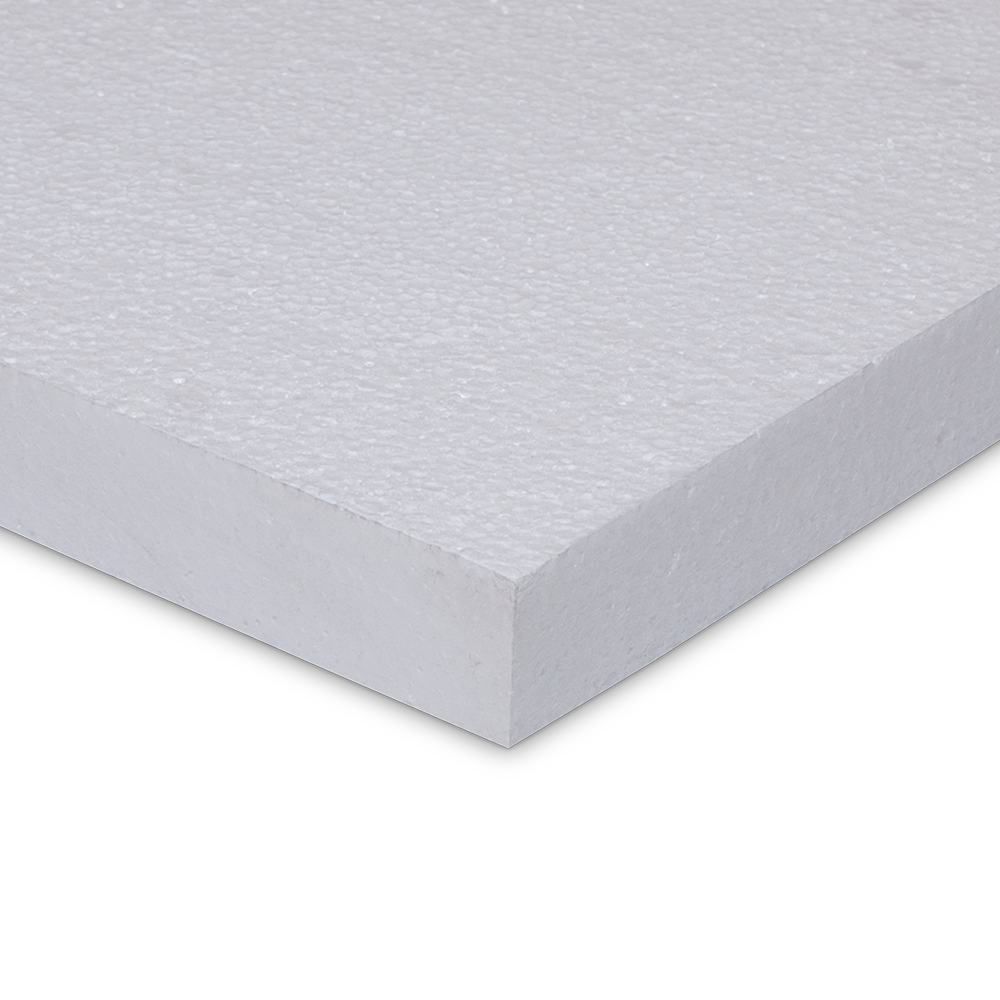
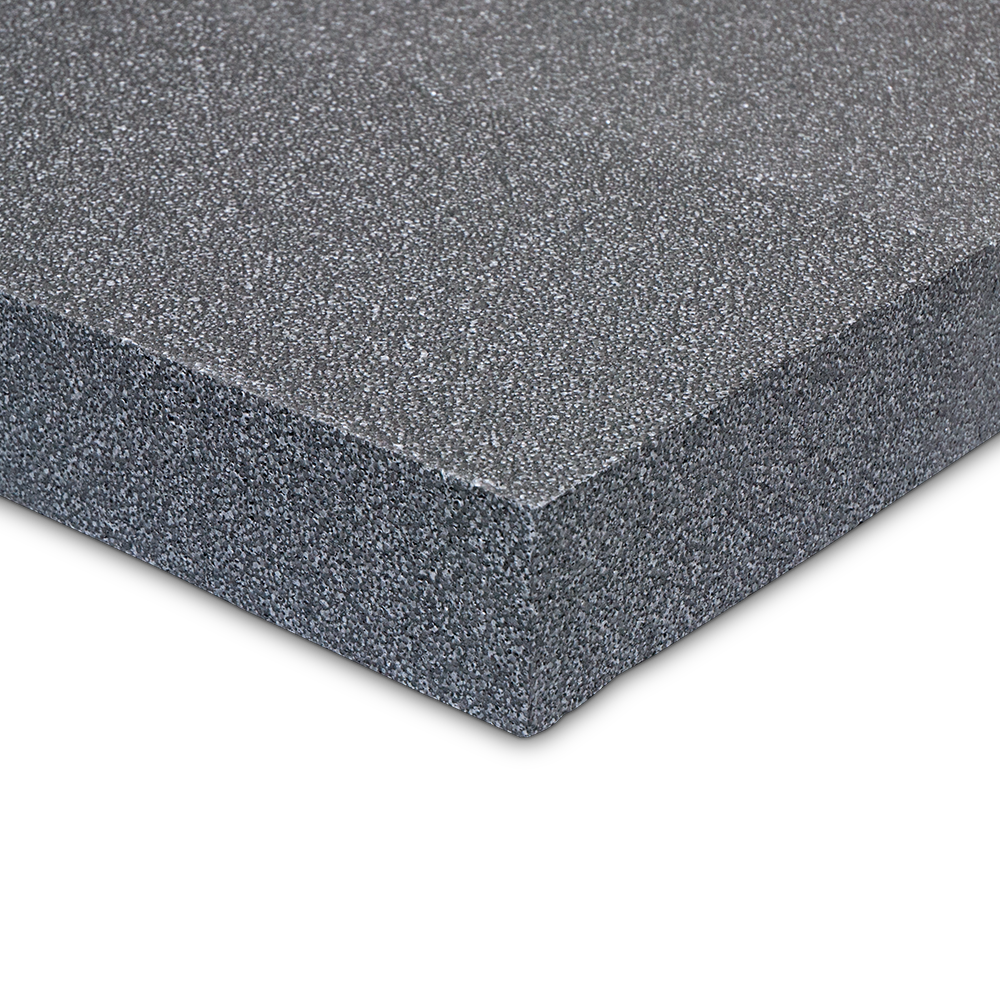
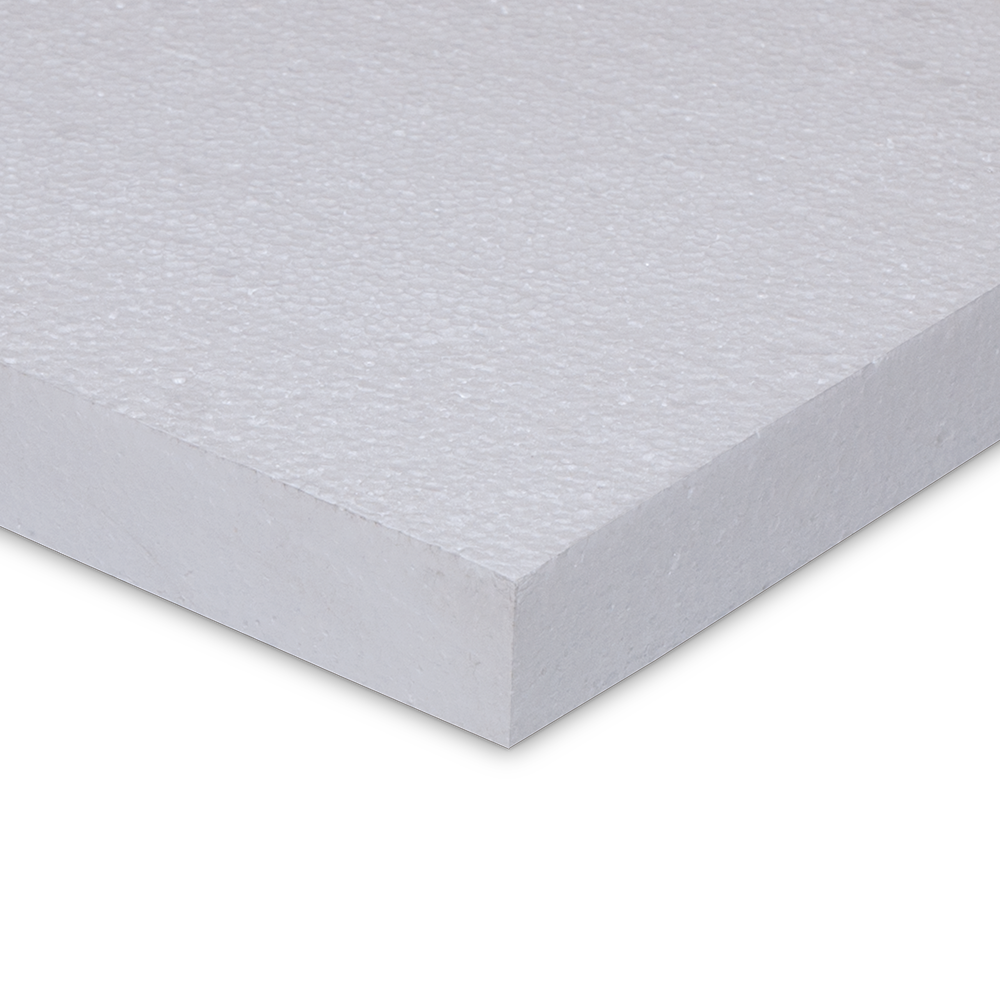
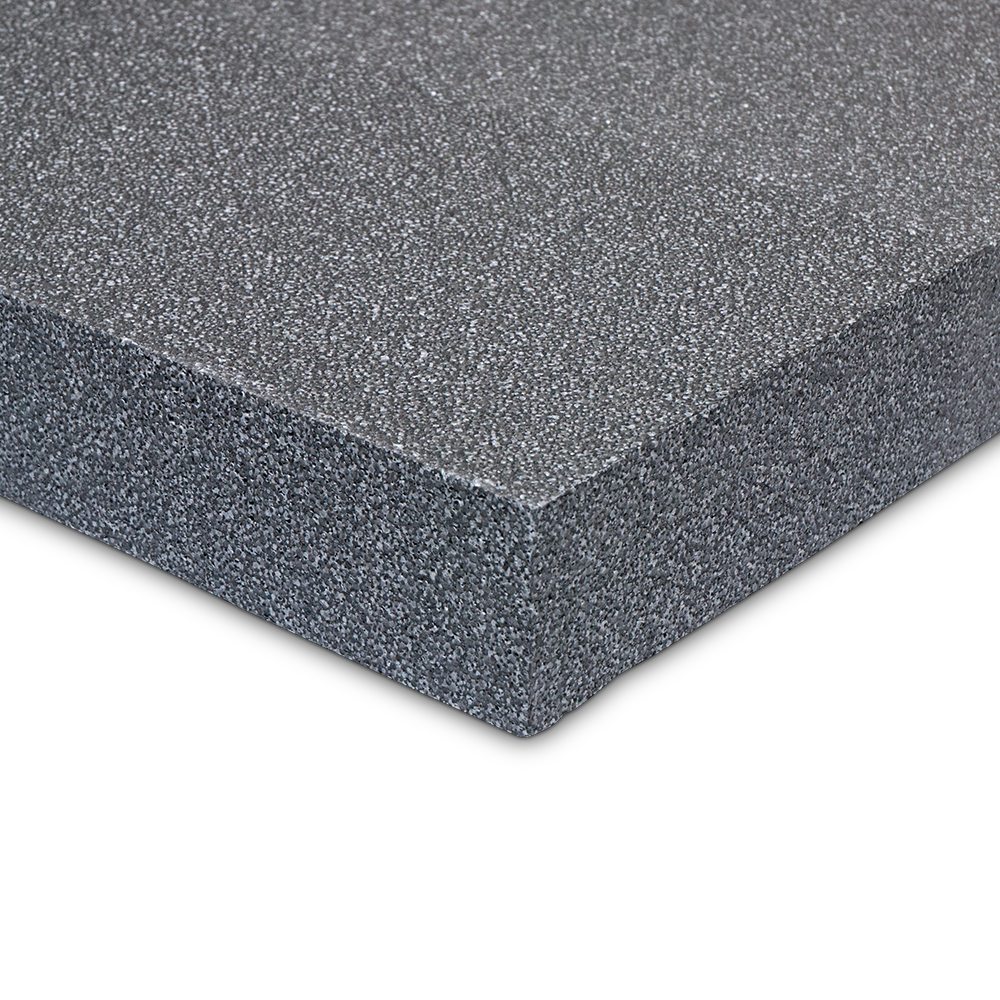
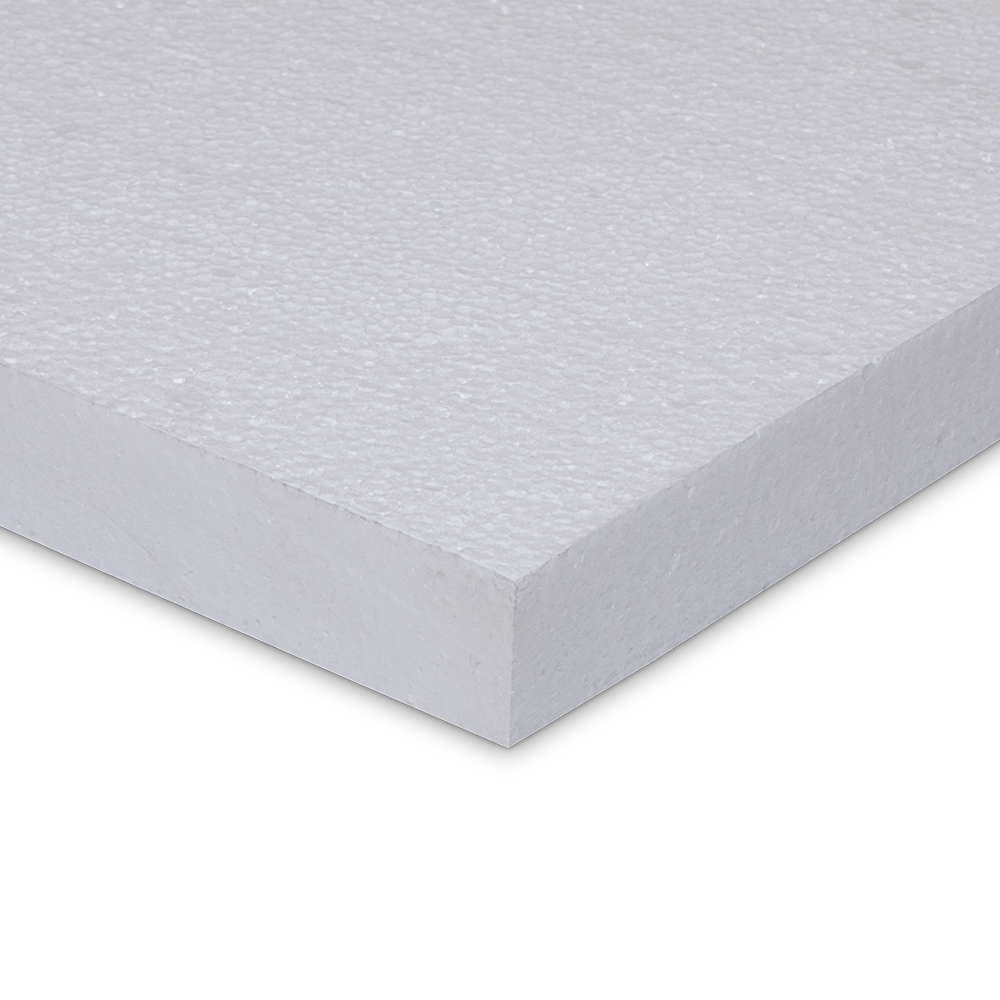
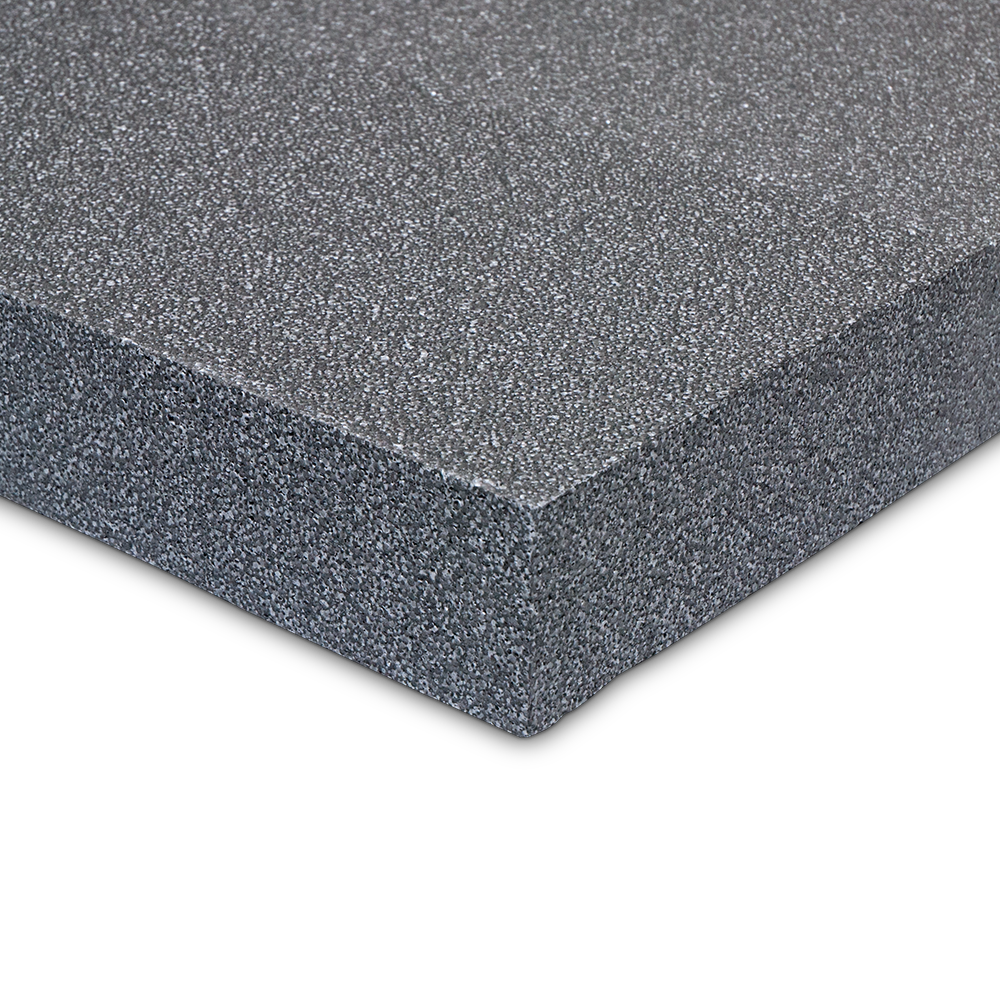
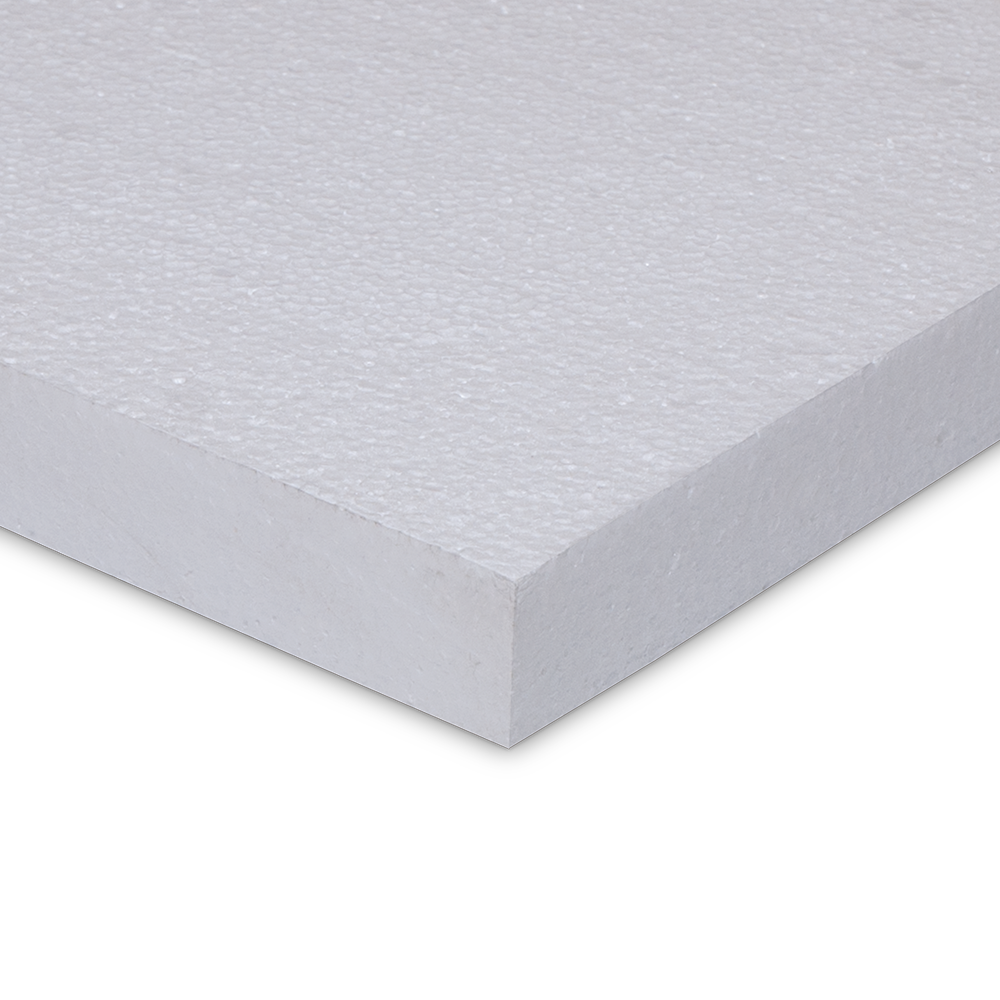
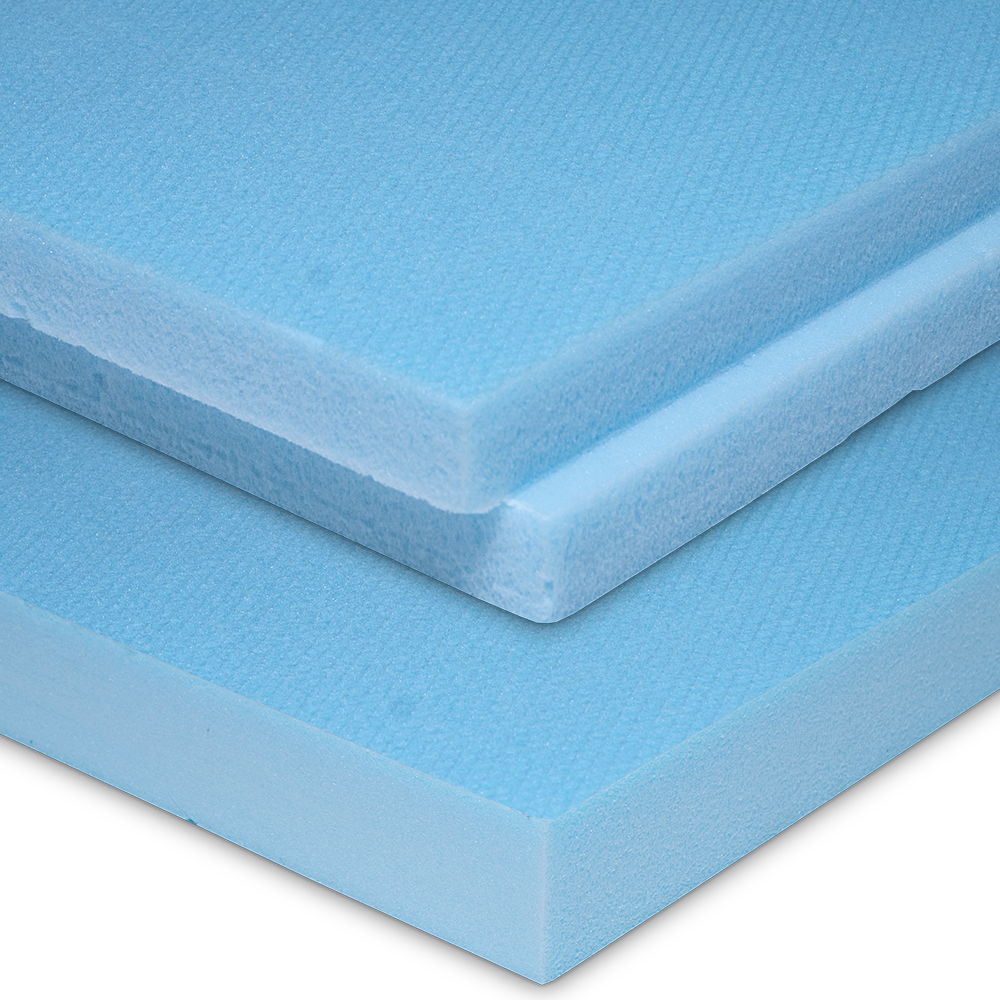
Reinforced expanded or extruded polystyrene panels are installed along the entire length and height of the waterproofing zone. These panels have a 45° profile at their lower end to ensure safe water drainage and mechanical protection.
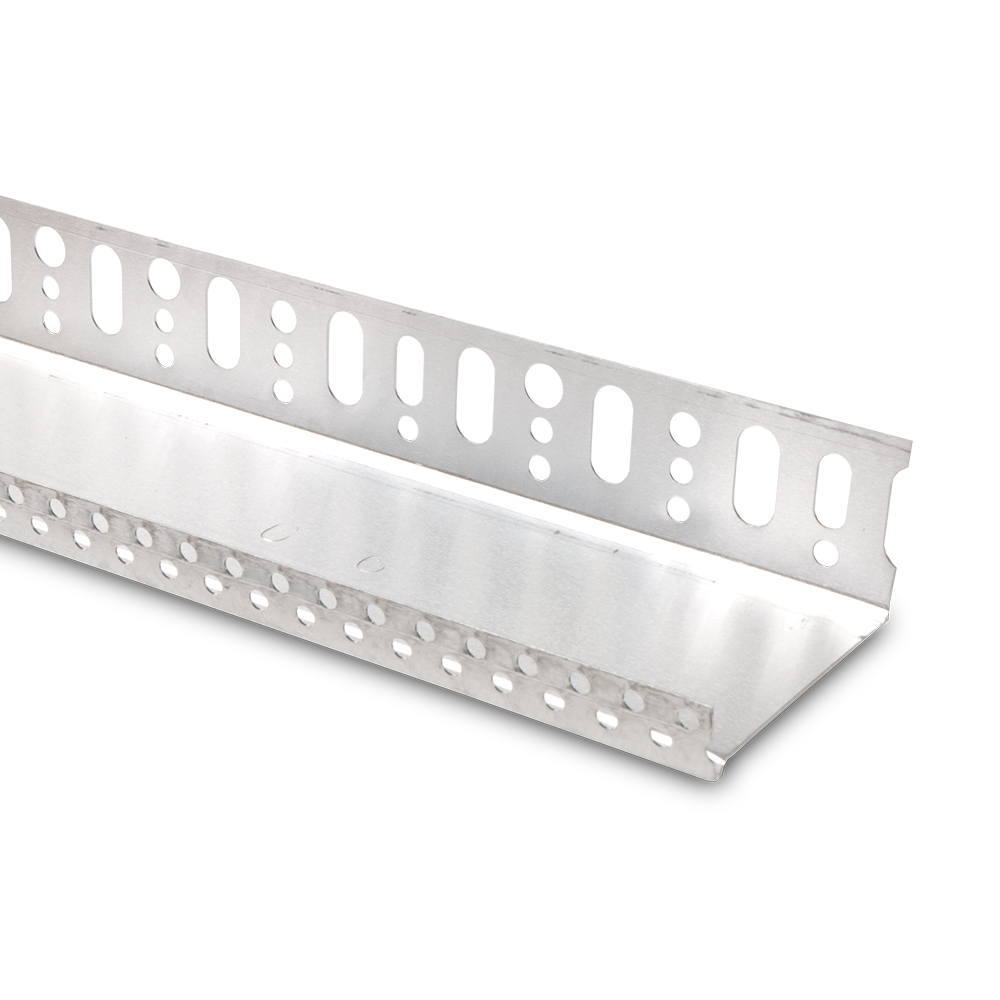
Drainage strip
At the base of the thermally insulated masonry and along its entire length, a drainage strip with a width of more than 30 cm is created, which is filled with gravel and crushed stone. The strip must lead to the building’s rainwater drainage system.
Protective membrane
For extra safety, a protective membrane of the “egg crate” type can be placed on the outer surface of the thermal insulation (from ground level to the bottom of the shaft).
Finally, the shaft is filled and sealed. The waterproofing zone is shown in drawing A.